
Modern dental laboratories are rapidly evolving alongside the growth of digital dentistry, zirconia restorations, implant applications, and high-precision cosmetic dental work. As laboratories face increasing demands for faster production and more consistent finishing quality, traditional brushed micromotor systems are gradually struggling to meet the requirements of modern workflows.
In daily laboratory operations, technicians often encounter issues such as unstable torque, overheating, excessive vibration, carbon brush wear, and rising maintenance costs during continuous polishing and precision grinding work. These problems not only affect polishing accuracy, but also reduce workflow efficiency and long-term operational stability.
As a result, brushless dental micromotors are becoming the preferred solution across modern dental labs and OEM markets. Compared with conventional brushed systems, brushless technology offers smoother operation, lower vibration, more stable torque output, reduced heat generation, and longer service life — making it especially suitable for high-frequency professional laboratory applications.
In this article, we will explore why brushless dental micromotors are becoming the industry standard, how they compare with traditional systems, and what professional buyers should consider when choosing a dental lab micromotor for long-term use.
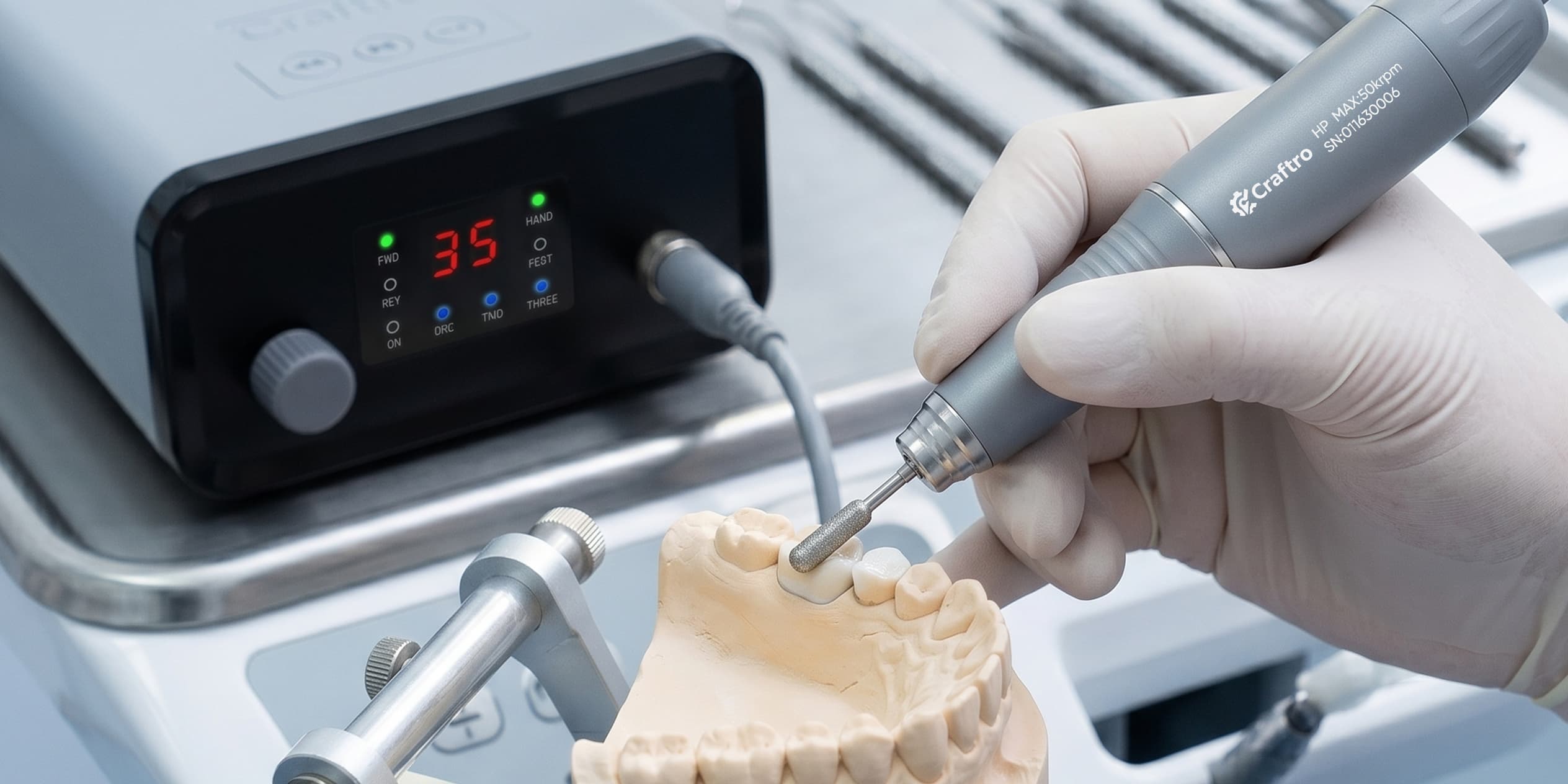
The Growing Demand for Precision in Dental Laboratories
In today’s dental industry, laboratories are handling increasingly complex workflows involving crowns, bridges, zirconia polishing, resin finishing, implant restorations, and precision adjustments. These tasks require stable rotational speed and accurate handpiece control throughout long working hours.
Many traditional brushed micromotors struggle under continuous laboratory workloads. Common issues include:
- Motor overheating during long operation
- Unstable torque at high speed
- Carbon brush wear
- Increased vibration during polishing
- Frequent maintenance requirements
- Noise affecting working comfort
As laboratories aim to improve efficiency and reduce downtime, many technicians are transitioning to brushless dental micromotor systems.
What Is a Brushless Dental Micromotor?
A brushless dental micromotor is a high-precision rotary motor that operates without traditional carbon brushes. Instead of relying on physical brush contact for power transmission, brushless systems use electronic control technology to drive the motor.
This design significantly reduces internal friction and mechanical wear, allowing the motor to operate more smoothly and efficiently over extended periods.
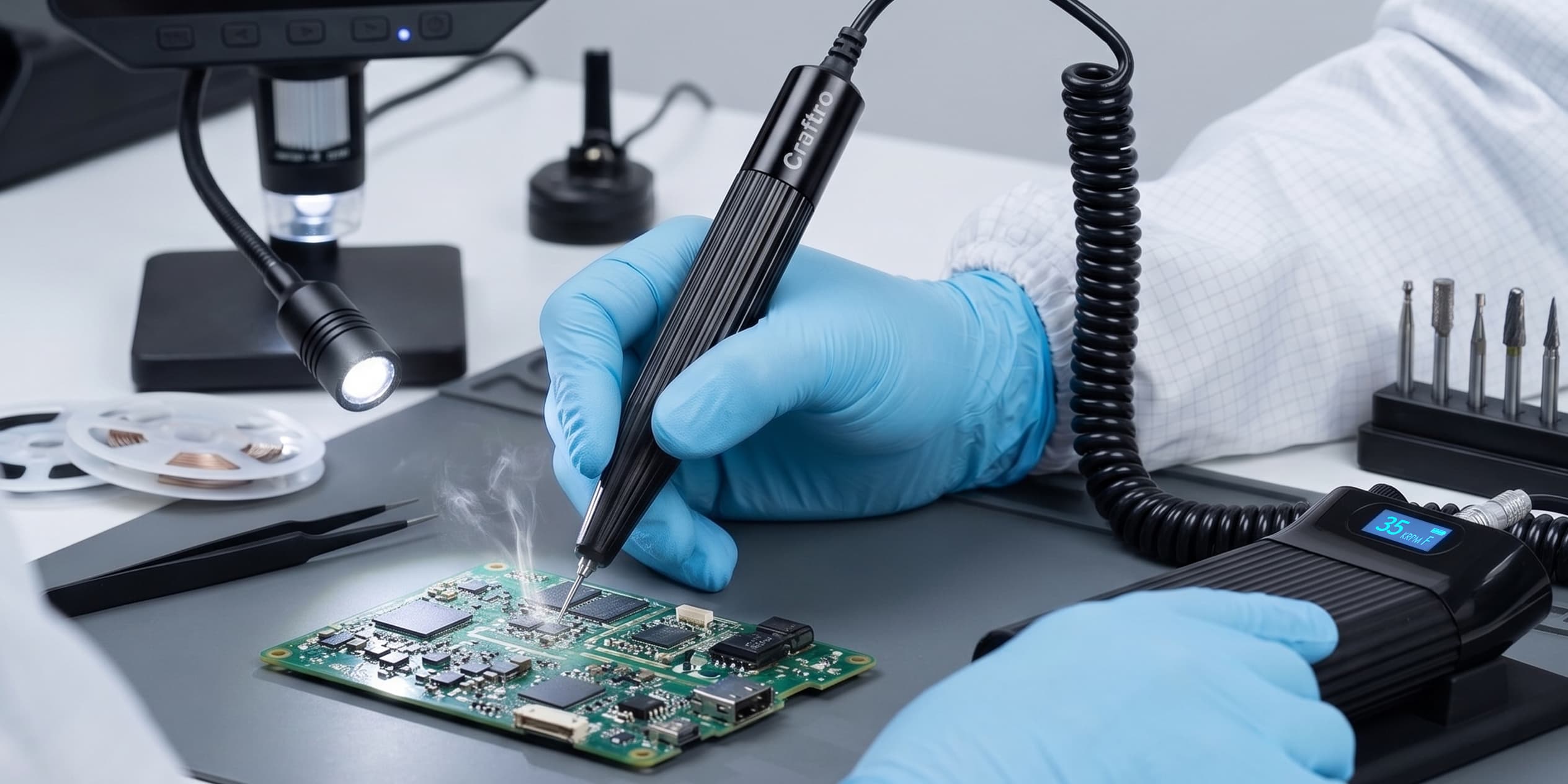
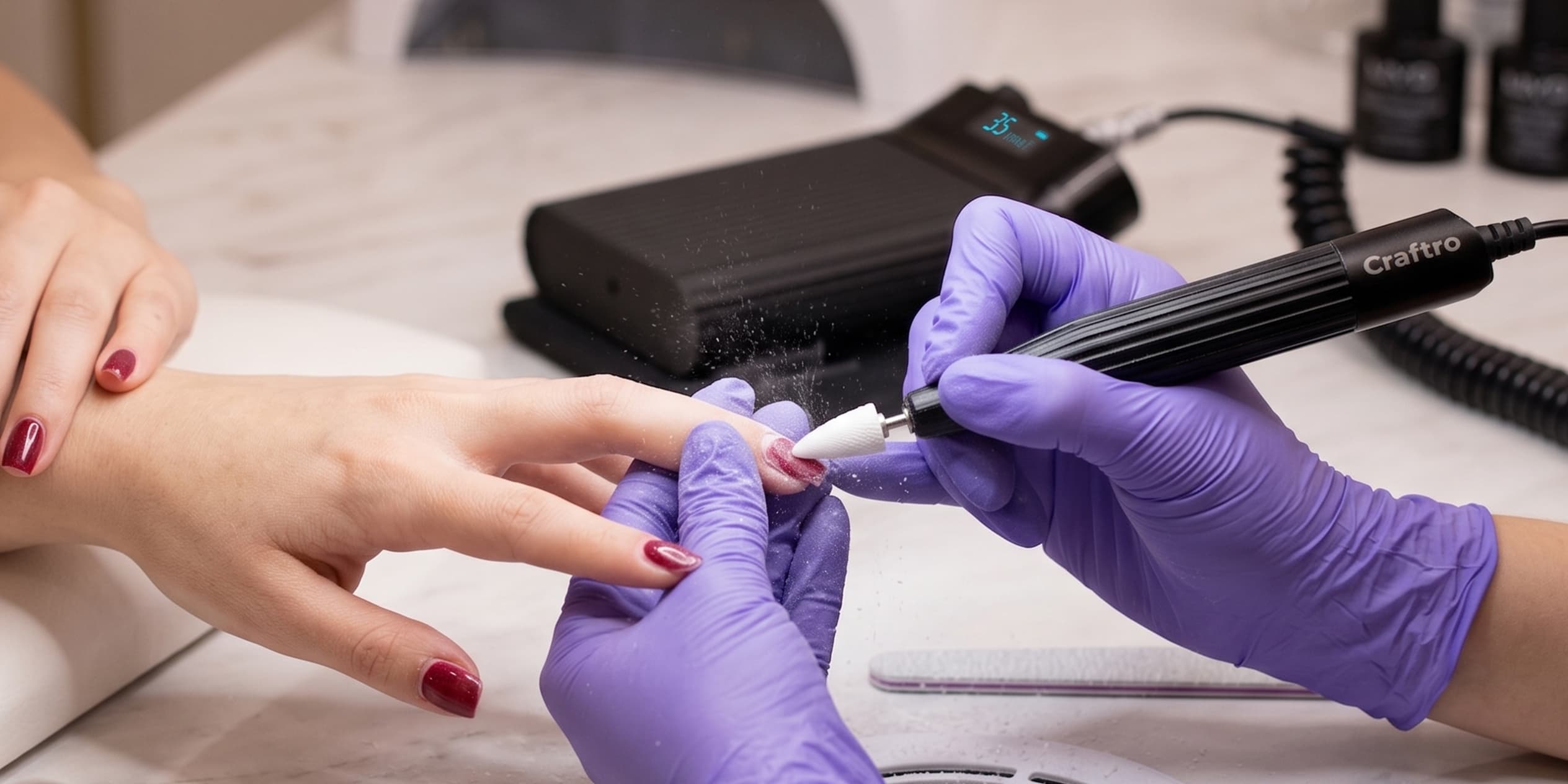
Brushless systems are widely used in:
- Dental laboratories
- Crown and bridge polishing
- Zirconia grinding
- Precision finishing
- Nail drill applications
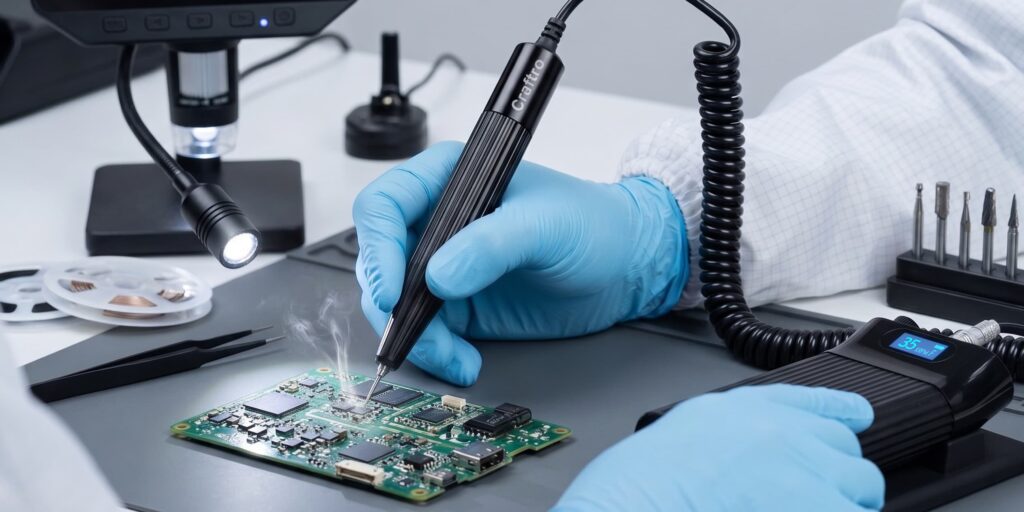
- Jewelry engraving
- Industrial micro grinding
Why Brushless Micromotors Perform Better in Dental Lab Environments
1. Stable Torque During Long-Hour Operation
One of the biggest challenges in dental laboratory work is maintaining stable torque under continuous use.
During crown polishing or zirconia finishing, inconsistent torque can directly affect polishing quality and operator control. Brushless dental micromotors are designed to maintain more stable rotational output, even during long working sessions.
This allows technicians to achieve smoother finishing results while reducing interruptions caused by speed fluctuation.
2. Lower Vibration Improves Precision
Vibration is one of the most overlooked issues in precision grinding applications.
Excessive vibration can affect hand stability, increase operator fatigue, and reduce polishing accuracy. In dental laboratories where detailed adjustments are essential, smoother operation can significantly improve workflow quality.
Brushless dental micromotors generally provide lower vibration levels because of their optimized motor structure and reduced internal friction.
3. Reduced Heat Generation
Heat buildup is a common problem in conventional brushed motors, especially during continuous high-speed operation.
Excessive heat not only affects user comfort but may also shorten motor lifespan and reduce internal component stability.
Brushless systems generate less heat due to higher energy efficiency and lower mechanical contact inside the motor structure. This makes them more suitable for high-frequency professional use.
4. Longer Service Life
Traditional brushed motors rely on carbon brushes that gradually wear out over time. As brush wear increases, motor performance becomes less stable and maintenance frequency rises.
Brushless dental micromotors eliminate this issue entirely by removing physical brush contact from the system.
For distributors and dental laboratories, this means:
- Lower maintenance costs
- Longer product lifespan
- Reduced downtime
- More stable long-term performance
5. Lower Noise Levels in Professional Workspaces
Noise control is becoming increasingly important in modern laboratories and salons.
Many technicians work for extended hours every day, and excessive motor noise can negatively impact working comfort and concentration.
Brushless micromotors are typically quieter than brushed systems, making them ideal for professional environments focused on efficiency and user experience.
Why More OEM Buyers Prefer Brushless Dental Micromotors
The global demand for OEM and private label dental equipment has grown rapidly in recent years. Many distributors and brand owners are now prioritizing brushless micromotor systems due to their higher perceived quality and longer market lifespan.
For OEM buyers, brushless systems offer several commercial advantages:
- Higher-end product positioning
- Reduced after-sales issues
- Better customer satisfaction
- Improved product durability
- More competitive market differentiation
Many professional suppliers now also support:
- Custom logo printing
- Color customization
- Packaging customization
- OEM/ODM manufacturing
- Private label production
Portable vs Desktop Brushless Dental Micromotor
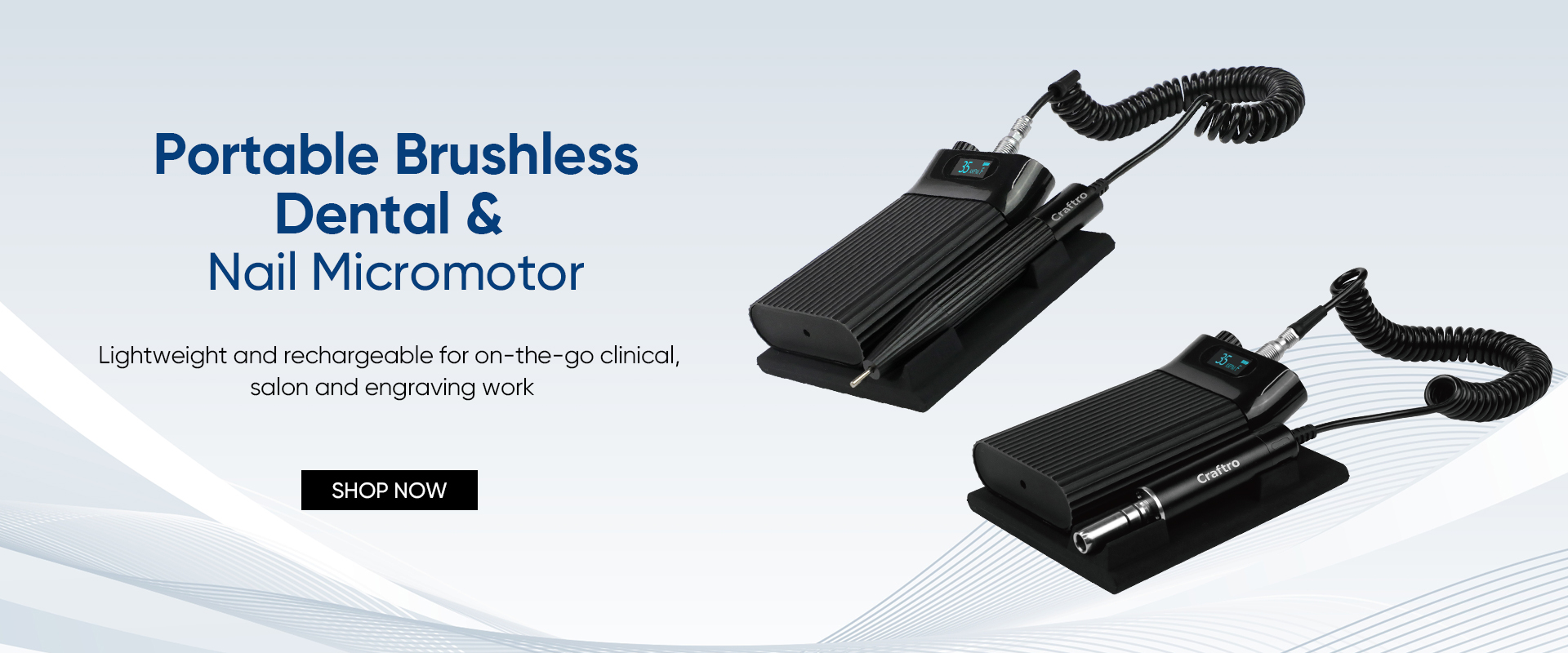
Portable Brushless Micromotor
Portable systems are lightweight and flexible, making them suitable for mobile technicians, nail professionals, and users requiring portability.
Battery-powered portable micromotors have become increasingly popular because they allow greater freedom of movement without sacrificing speed performance.
Desktop Brushless Micromotor
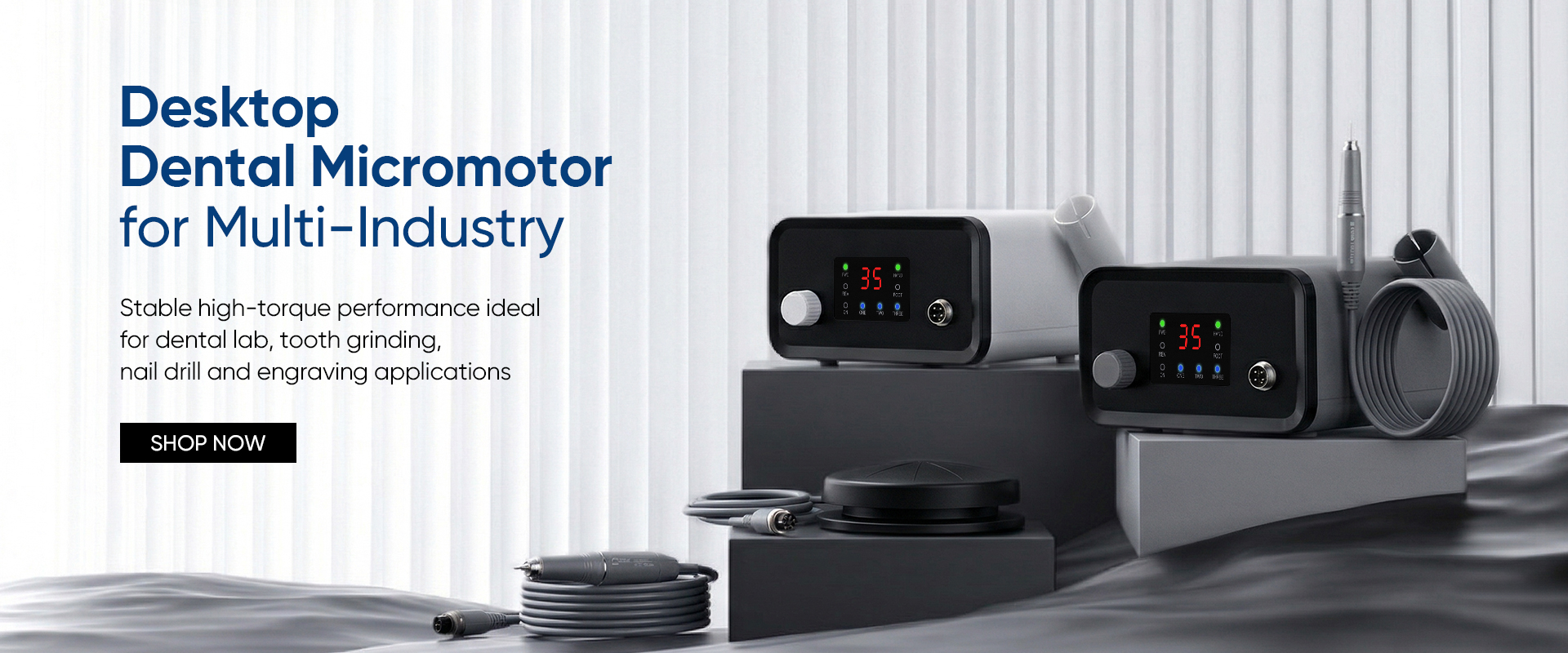
Desktop models are generally preferred in dental laboratories due to their stronger torque output and long-hour operational stability.
For laboratories handling continuous polishing and grinding tasks, desktop brushless systems usually provide better performance consistency.
How to Choose the Right Brushless Dental Micromotor?
Choosing the right dental lab micromotor depends on several important factors.
1. RPM Range
Professional dental micromotors commonly operate between 35,000 RPM and 50,000 RPM. Higher speed allows more efficient grinding and polishing performance for demanding applications.
2. Torque Stability
Stable torque is often more important than maximum speed. A high-quality brushless micromotor should maintain smooth output under varying workloads.
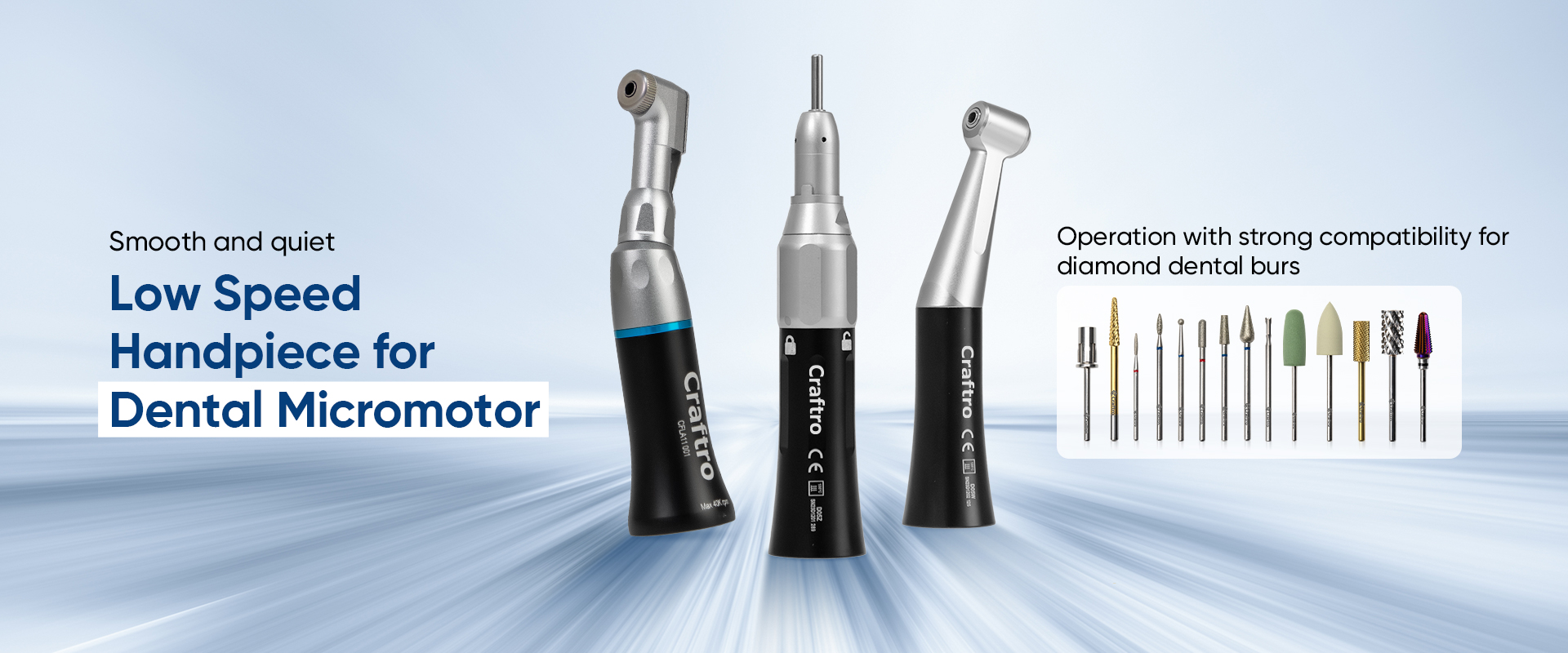
3. Handpiece Compatibility
E-type handpiece systems are widely preferred because they offer strong compatibility and easy replacement options.
4. Noise and Vibration Control
Professional users usually prioritize low vibration and low noise performance to improve comfort during long working sessions.
5. OEM and After-Sales Support
Distributors and wholesalers should also evaluate OEM capability, technical support, spare parts availability, and long-term supplier stability.
The Future of Dental Lab Micromotor Technology
As dental laboratories continue upgrading toward more efficient and digital workflows, brushless dental micromotors are expected to become even more dominant across the industry.
The combination of low maintenance, stable performance, precision control, and longer lifespan makes brushless systems highly suitable for modern laboratory requirements.
For distributors, wholesalers, and professional laboratories, investing in high-quality brushless dental micromotors is no longer simply an equipment upgrade — it is becoming a long-term operational advantage.
FAQ
What is the advantage of a brushless dental micromotor?
Brushless dental micromotors provide lower vibration, longer lifespan, reduced maintenance, smoother operation, and more stable torque compared to traditional brushed systems.
What RPM is best for dental laboratory work?
Most professional dental laboratory applications use micromotors between 35,000 RPM and 50,000 RPM depending on the polishing and grinding requirements.
Are brushless micromotors better for long-hour operation?
Yes. Brushless systems generate less heat and experience less internal wear, making them more suitable for continuous professional use.
Can brushless dental micromotors be used for nail drill applications?
Yes. Many brushless micromotor systems are also suitable for professional nail drill, engraving, jewelry polishing, and precision grinding applications.