
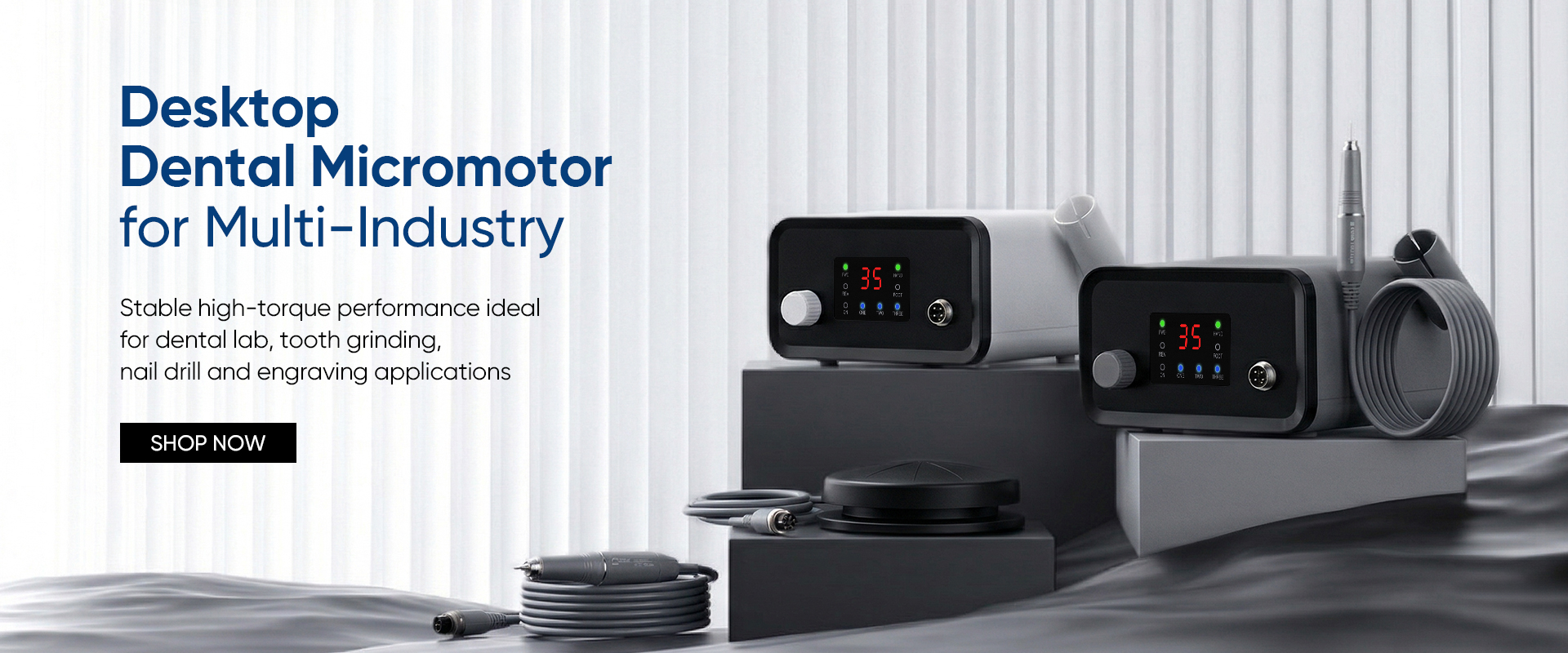
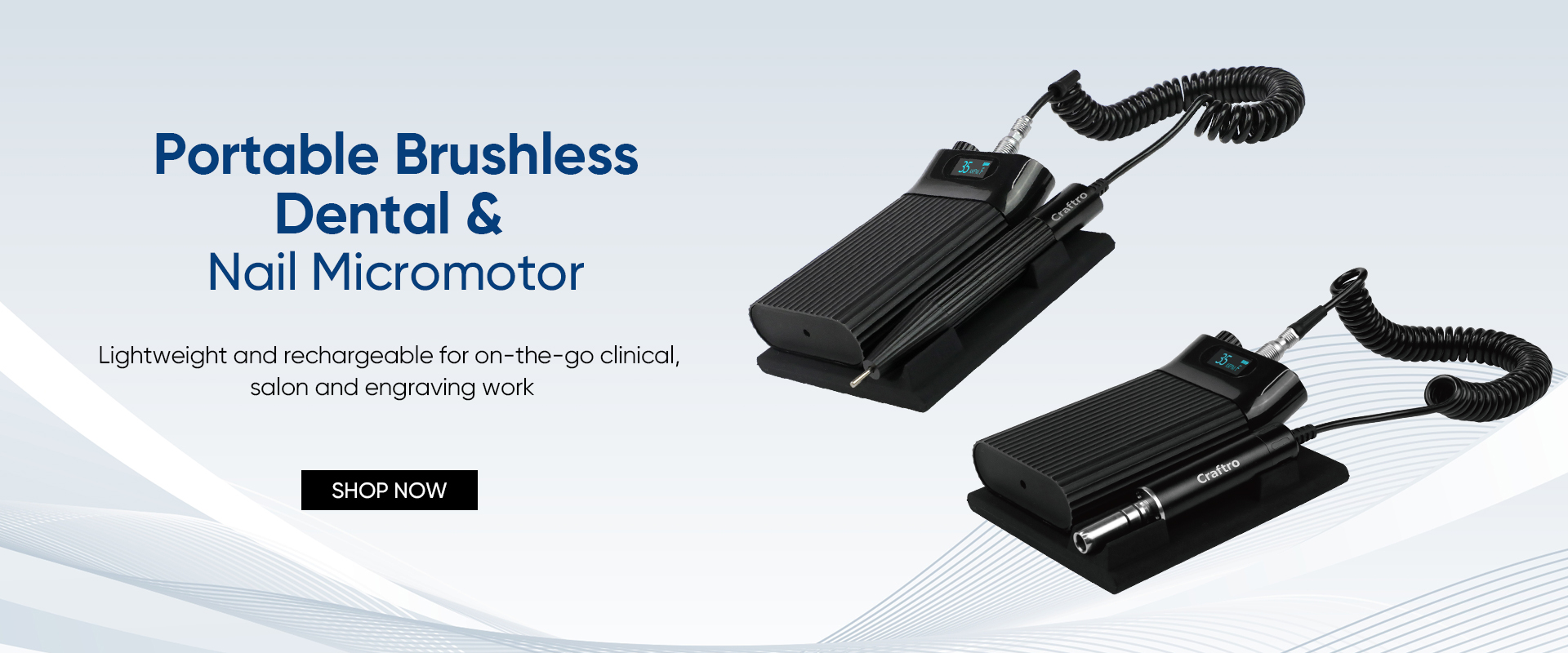
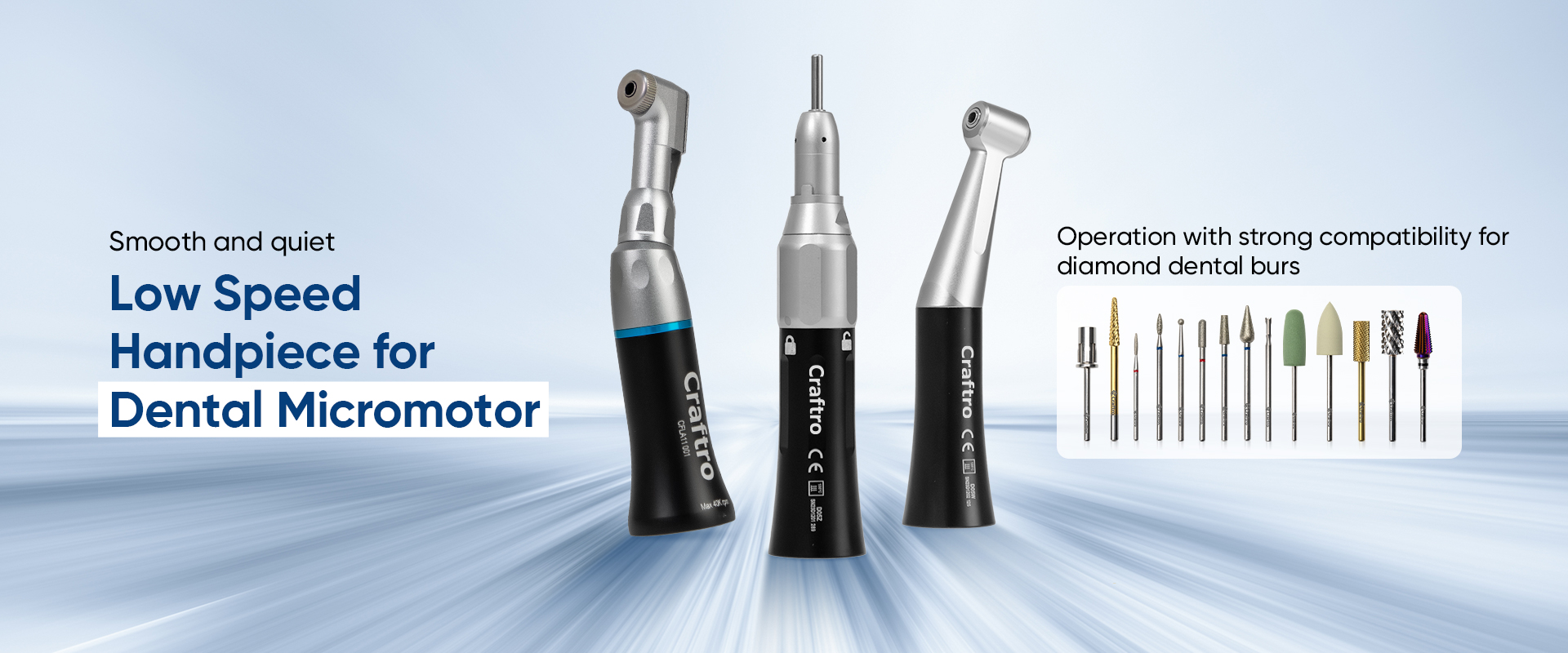
In the fast-evolving professional nail care industry, salon owners, wholesalers, and international procurement managers face a crowded marketplace filled with endless equipment choices. When sourcing electric nail files (commonly referred to as e-files or nail drills), technical specifications can often look like a confusing maze of technical numbers. However, one specific metric has universally cemented itself as the ultimate commercial benchmark: 35,000 RPM (Rotations Per Minute).
Understanding the engineering and mechanical science behind this specific speed threshold is crucial for making informed bulk purchasing decisions. Sourcing equipment that meets this exact standard ensures your inventory aligns with what high-end salon businesses demand. In this detailed analysis, we break down why a true 35,000 RPM capacity offers the ultimate balance of power, mechanical longevity, user comfort, and operational efficiency for commercial nail care environments worldwide.
1. The Perfect Balance: Power vs. Material Versatility
A professional nail technician does not just work on natural nails. On any given day in a busy commercial salon, a technician will handle a diverse array of materials, each requiring a completely different speed range and torque profile:
- Natural Nails: Require gentle, low-speed handling (approximately 3,000 to 5,000 RPM) to prevent thinning, friction heat, or burning the delicate nail bed.
- Gel Polish & Soft Gels: Require moderate operating speeds (10,000 to 15,000 RPM) for quick, smooth removal without tearing the underlying structure.
- Acrylics, Hard Gels, and Polygel: Demand substantial torque and high speeds (20,000 to 30,000+ RPM) to cut through dense polymer chains cleanly and efficiently.
A nail drill that tops out at 20,000 RPM or 25,000 RPM will visibly struggle, bog down, or snag when cutting through thick acrylic overlays or heavy nail extensions. By engineering a high-precision micro-motor to reach a maximum threshold of 35,000 RPM, manufacturers ensure the handpiece possesses the necessary “power headroom.” This guarantees that even when encountering dense polymers, the machine maintains smooth, continuous rotation without stalling or putting undue stress on the motor core.
2. It’s Not Just About Speed—It’s About “Torque Continuity”
In industrial micro-motor engineering, speed and torque are closely intertwined. Lower-tier, traditional brushed motors often suffer from severe power drops and unstable rotations when physical resistance is applied at lower operating speeds. This is where premium, professional-grade systems shine. Advanced portable systems utilize brushless core technology optimized for a 35,000 RPM limit to ensure continuous, intelligent power delivery under variable loads。
| Standard Brushed Drill (Low-Tier Equipment) | Advanced Brushless 35K System (Professional-Grade) |
|---|---|
| Mechanical Core: Relies on mechanical carbon brushes that create constant internal friction. |
Mechanical Core: Utilizes electronic commutators, magnetic fields, and a digital smart speed algorithm. |
| Under-Load Performance: When the grinding bit encounters hard acrylics, the RPM drops drastically. The motor stalls easily, requiring the nail technician to apply heavy manual downward pressure. |
Under-Load Performance: Automatically detects material resistance and instantly compensates torque output to maintain the set RPM without dropping speed or stuttering. |
| Negative Outcomes: Generates high frictional heat instantly, creates heavy handpiece vibration, accelerates bearing wear, and causes a painful burning sensation for the salon client. |
Positive Outcomes: Delivers a smooth, cool, and effortless cut. Requires zero extra manual pressure from the operator, maximizing control and precision. |
When an electric nail file is rated for a true 35,000 RPM, it features a high-performance motor core capable of delivering strong, consistent torque across the entire speed spectrum. The technician rarely needs to run the machine at the absolute maximum of 35,000 RPM during standard procedures. Instead, having a 35,000 RPM capacity means the drill operates effortlessly, quietly, and smoothly at a standard 20,000 RPM, significantly extending the operational lifespan of the internal bearings and motor components.

3. Maximizing Salon Efficiency and Daily Productivity
In a commercial B2B environment, time is directly tied to business revenue. The speed and efficiency of service delivery directly impact a salon’s daily client turnover and revenue capacity. When a nail technician uses an underpowered or low-speed e-file, removing a full set of hard gel or acrylic extensions can take up to 20 to 25 minutes of tedious, repetitive, and fatiguing filing.
In contrast, a true 35,000 RPM brushless drill cuts that removal and shaping time down to under 10 minutes per client. By choosing commercial equipment built to this gold standard, salon owners can reduce service times, increase client turnover rates, and maximize their daily return on investment (ROI) without compromising the precise aesthetic results of the manicure.
4. Reducing Vibration and Preventing “Tech Fatigue”
One of the most significant occupational hazards for professional nail technicians is Repetitive Strain Injury (RSI) and Carpal Tunnel Syndrome. These chronic conditions are often triggered by holding heavily vibrating handpieces for multiple hours every single day. There is a mechanical sweet spot around 35,000 RPM for precision industrial micro-motors.
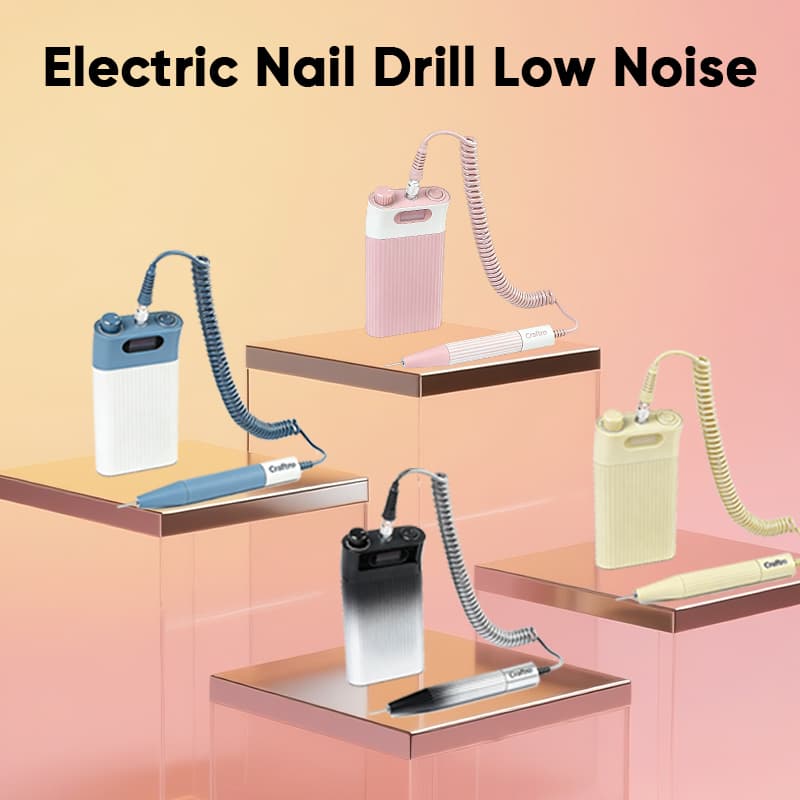
To safely and stably reach this high rotational speed, the handpiece must be engineered with meticulous internal alignment, utilizing premium three-lobe springs, a highly balanced shaft core, and high-grade international bearings. This precise mechanical calibration yields an excellent byproduct: ultra-low vibration and near-silent operation. A high-quality 35,000 RPM brushless handpiece runs so smoothly that the user barely feels a buzz in their hand, protecting the technician’s joints and providing a premium, whisper-quiet environment for the client.
5. Thermal Control: Keeping it Cool for Safety
When an e-file struggles due to insufficient speed or low torque, the mechanical friction between the grinding bit (or sanding band) and the nail enhancement rises dramatically. This rapid, uncontrolled friction generates intense heat, commonly referred to by salon clients as a painful “burning flash.”
A 35,000 RPM drill allows the abrasive grinding bit to do the work efficiently. Because the rotation is exceptionally fast and clean, the bit glides through the material instantly, minimizing contact time and drastically reducing heat buildup on the nail. Furthermore, professional digital control boxes feature built-in smart electronic safeguards, such as Over-Current protection, Over-Temperature shutdown, and Low-Battery warnings, ensuring the device automatically stops before any abnormal load can cause mechanical damage or safety risks.
6. B2B Sourcing Guide: Look Beyond the Box Number
For global distributors, wholesalers, and brand owners looking to source or custom-label (OEM/ODM) professional electric nail files, a crucial warning applies: Not all 35,000 RPM drills are created equal. Many entry-level retail drills claim “35,000 RPM” on their packaging but use cheap, brushed motors that lose half their rotational speed the moment the bit touches a hard acrylic nail surface.
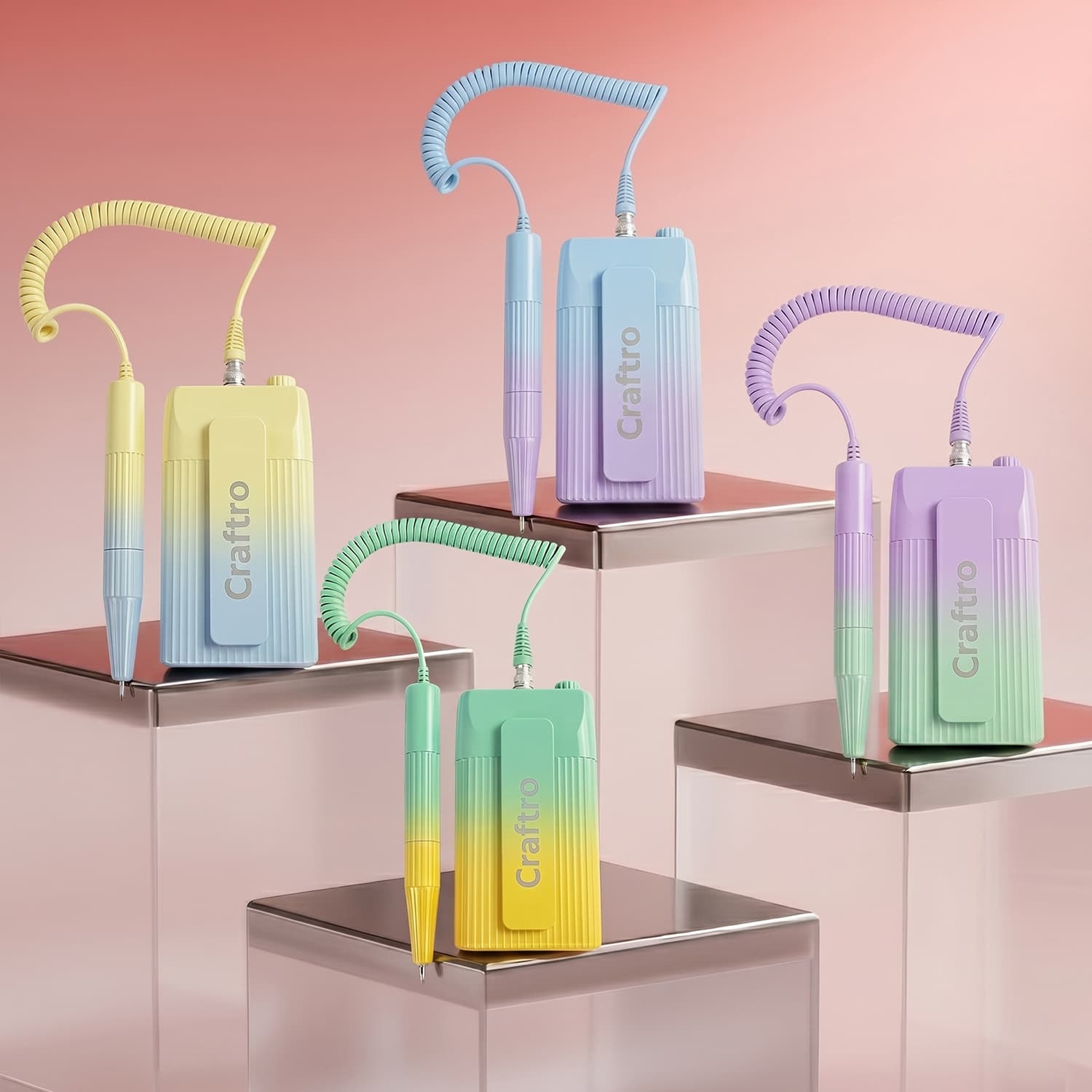
To protect your import pipeline and brand reputation, look for these foundational technical indicators: Brushless Core Technology, High-Capacity Certified Lithium Power (such as a 2600mAh battery for portable units delivering a full 9 hours of continuous performance), Strict Shank Standardization for international 2.35mm (3/32″) grinding bits, and Global Compliance Certifications (CE, FCC, RoHS, ISO9001, ISO13485, and MDSAP).
FAQ
Does a nail technician actually need to use the full 35,000 RPM during a standard service?
Exceptionally rarely. Most standard salon services are performed between 5,000 RPM (for natural nail prep) and 25,000 RPM (for bulk acrylic removal). However, a machine engineered to comfortably reach 35,000 RPM provides the essential “power headroom” and torque stability required to run effortlessly at mid-range speeds without overheating, vibrating, or stalling under a heavy workload.
What is the primary mechanical difference between a brushed and a brushless 35,000 RPM motor?
Brushed motors rely on physical carbon brushes that press against a commutator to transfer electricity, creating constant mechanical friction, carbon dust accumulation, high heat, and a short operational lifespan (typically 500 to 1,000 hours). Brushless motors use electronic commutators and magnetic fields, completely eliminating friction to deliver near-silent operation, zero carbon dust, minimal heat generation, and an extended operational lifespan exceeding 5,000 hours.
Why is a standard 2.35mm (3/32″) grinding bit diameter so strictly enforced at 35,000 RPM?
At speeds as high as 35,000 rotations per minute, even a microscopic deviation in a grinding bit’s shank diameter or straightness will cause severe “runout” (wobbling). Strict calibration to the international standard 2.35mm ensures the bit stays perfectly centered inside the three-lobe spring chuck, preventing damage to the high-speed handpiece bearings, eliminating micro-stuttering, and ensuring absolute client safety.
How should a high-speed 35,000 RPM handpiece be maintained to preserve its long-term precision?
Handpieces must be kept dry and completely free of fine nail dust. The exterior should be wiped down regularly using a clean cloth lightly moistened with alcohol—never submerge the handpiece or spray liquid disinfectants directly inside. Dry compressed air can be used to safely clear dust from the tip. Crucially, a factory test needle or a standard grinding bit must always remain locked in the chuck when the handpiece is not in use to protect the structural tension of the internal three-lobe spring mechanism.
As you can see
The 35,000 RPM benchmark is not a simple marketing gimmick; it is the proven mechanical threshold where professional speed, structural torque continuity, and ergonomic comfort intersect. Investing in high-performance electric nail files engineered strictly to this global gold standard ensures that nail technicians work faster, salon clients remain safe and comfortable, and B2B distributors minimize costly product returns or warranty claims.
Partner with Shanghai Craftro Tech Co., Ltd.
We manufacture state-of-the-art, high-tech grinding equipment and brushless micro-motors engineered precisely to global gold standards. We offer comprehensive, flexible OEM/ODM solutions—including custom housing colors, personalized packaging, and custom logo printing—backed by an integrated digital supply chain and modern manufacturing facilities certified under ISO9001, ISO13485, MDSAP, and registered with the U.S. FDA.
For bulk wholesale inquiries, custom branding partnerships, or to receive our latest high-end product catalog, contact our B2B operations team directly at: info@craftrotech.com.