
When evaluating a dental micromotor, many buyers immediately focus on RPM. A higher rotational speed often appears to indicate better performance, leading distributors, dental laboratories, and technicians to compare equipment primarily based on maximum speed ratings.
However, experienced dental professionals understand that speed alone does not determine grinding efficiency. In real-world dental laboratory applications, torque is often the factor that has the greatest impact on cutting performance, precision, and long-term productivity.
Whether processing zirconia crowns, implant restorations, ceramic veneers, or metal frameworks, a micromotor with sufficient torque can maintain stable performance under load, allowing technicians to achieve smoother grinding results and better surface quality.
In this article, we will explain the difference between speed and torque, why torque is critical in modern dental laboratories, and how choosing the right brushless dental micromotor can improve overall grinding performance.
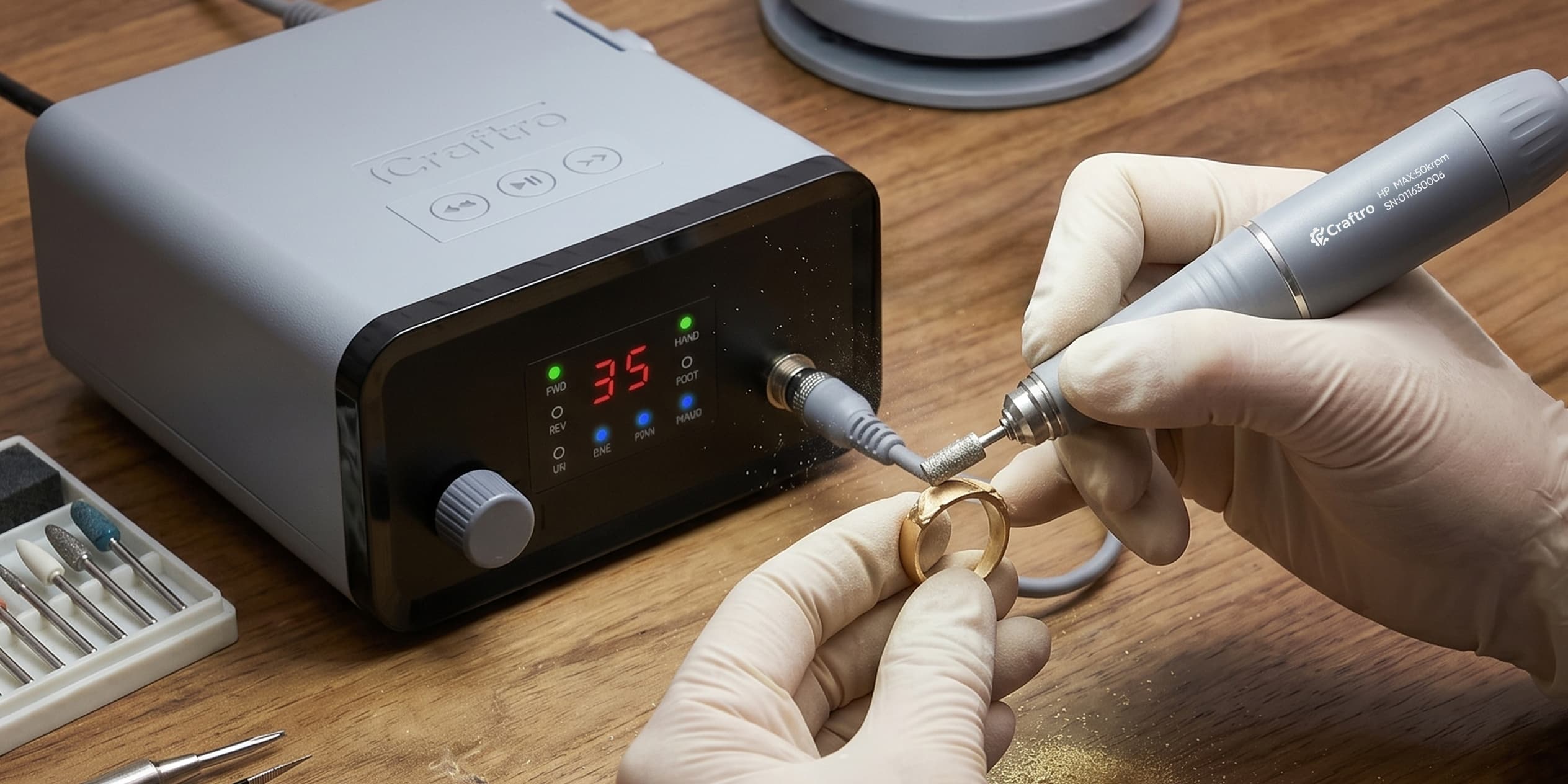
Understanding the Difference Between Speed and Torque
What Is Speed (RPM)?
Speed refers to the number of revolutions a handpiece can complete in one minute and is measured in RPM (Rotations Per Minute).
- Higher RPM allows faster material removal.
- Suitable for polishing and finishing tasks.
- Can improve productivity when material resistance is low.
While speed is important, it only indicates how fast the bur rotates. It does not measure the motor’s ability to maintain performance when resistance increases.
What Is Torque?
Torque is the rotational force generated by the motor.
- Determines cutting strength during grinding.
- Maintains stable performance under load.
- Reduces speed drops during operation.
- Improves grinding precision and control.
Simply put, RPM determines how fast a handpiece spins, while torque determines how effectively it performs actual grinding work.
Why High Speed Alone Is Not Enough
Many low-cost dental grinding systems advertise impressive RPM figures but fail to deliver consistent performance during practical applications.
When grinding hard materials, resistance increases significantly. If the motor lacks sufficient torque, the rotational speed begins to drop once pressure is applied.
This often leads to:
- Inconsistent grinding performance
- Reduced cutting efficiency
- Increased vibration
- Excessive heat generation
- Poor surface finish quality
- Operator fatigue
These problems become particularly noticeable when processing zirconia, titanium, cobalt-chromium alloys, and other high-density restorative materials commonly used in modern dentistry.
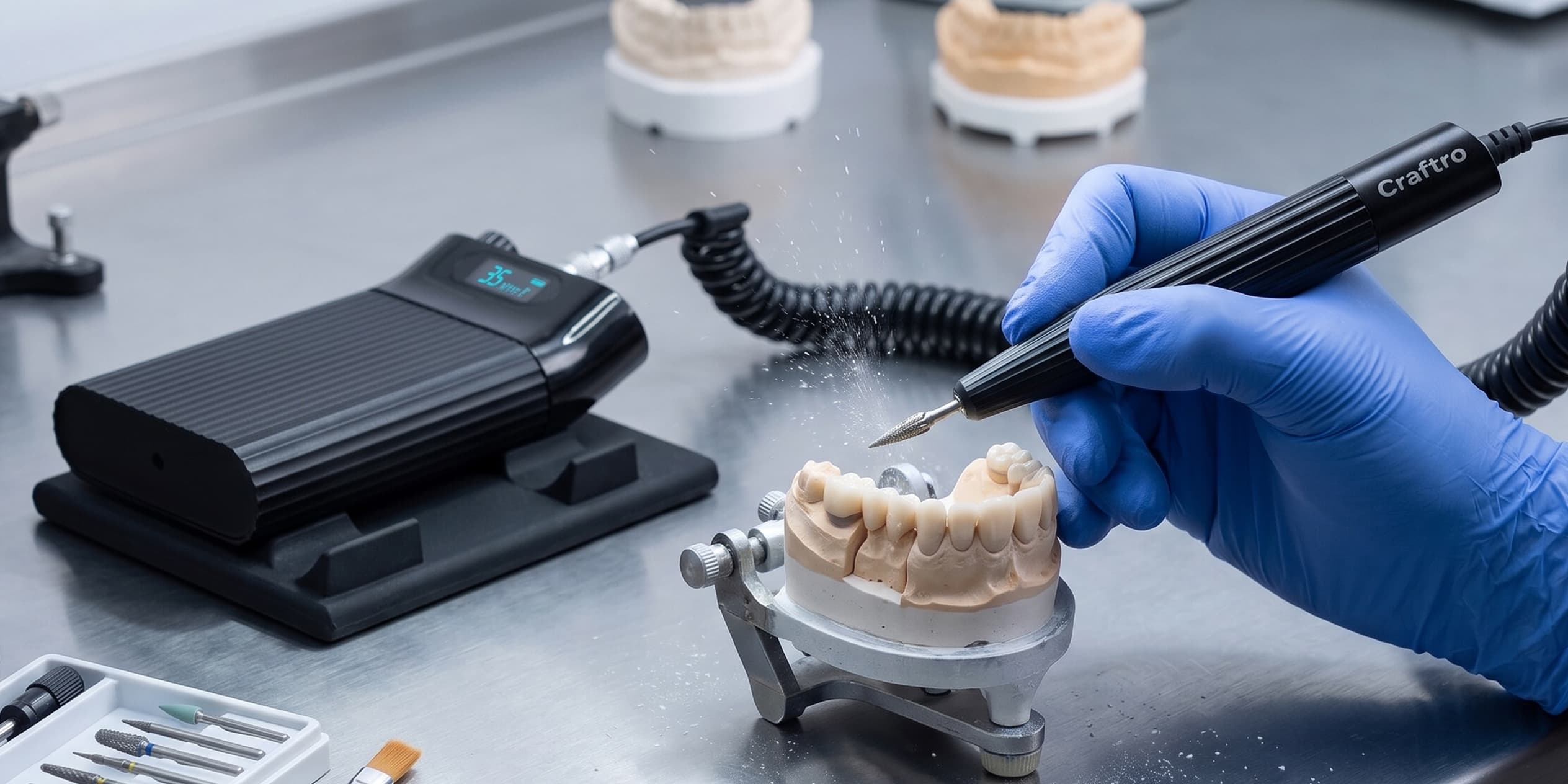
Why Torque Is Essential for Modern Dental Laboratories
Stable Grinding Performance
High torque allows a dental micromotor to maintain consistent rotational speed even when additional grinding pressure is applied.
This stability improves cutting efficiency and ensures predictable results throughout the grinding process.
Better Zirconia Processing
Zirconia restorations have become one of the most widely used solutions in modern restorative dentistry. However, zirconia is significantly harder than many traditional dental materials.
Grinding and contouring zirconia require continuous power output. A high-torque brushless dental micromotor helps technicians remove material more efficiently while maintaining excellent surface quality.
Improved Precision and Control
Dental laboratory work often requires highly precise adjustments to margins, contacts, implant restorations, and occlusal surfaces.
Torque stability minimizes speed fluctuations, giving technicians greater control during detailed procedures and reducing the risk of over-grinding.
Lower Vibration During Operation
A micromotor with strong torque output generally operates more smoothly under load.
Benefits include:
- Reduced vibration
- Less operator fatigue
- Improved comfort during long working sessions
- More consistent polishing results
Why 8 N.cm Torque Makes a Difference in Dental Laboratory Work
Many buyers focus exclusively on RPM specifications when selecting dental laboratory equipment. However, experienced technicians often pay closer attention to torque performance.
In demanding applications such as zirconia contouring, implant restoration finishing, and metal framework adjustment, torque becomes the key factor affecting grinding efficiency.
A brushless dental micromotor capable of delivering up to 8 N.cm torque can maintain stable power output even under continuous load. This allows technicians to perform material removal more efficiently while improving precision and reducing vibration.
For laboratories that process hard restorative materials daily, higher torque often contributes more to productivity than simply increasing rotational speed.
How Brushless Motors Improve Torque Performance
Traditional brushed motors rely on physical contact between carbon brushes and the commutator. Over time, this creates wear, heat, and performance fluctuations.
Modern brushless dental micromotors eliminate these limitations and provide more stable power delivery.
Compared with brushed motors, brushless systems offer:
- Higher operating efficiency
- More stable torque output
- Lower maintenance requirements
- Longer service life
- Reduced heat generation
- More accurate speed control
For professional dental laboratories operating continuously throughout the day, brushless technology offers significant advantages in both productivity and reliability.
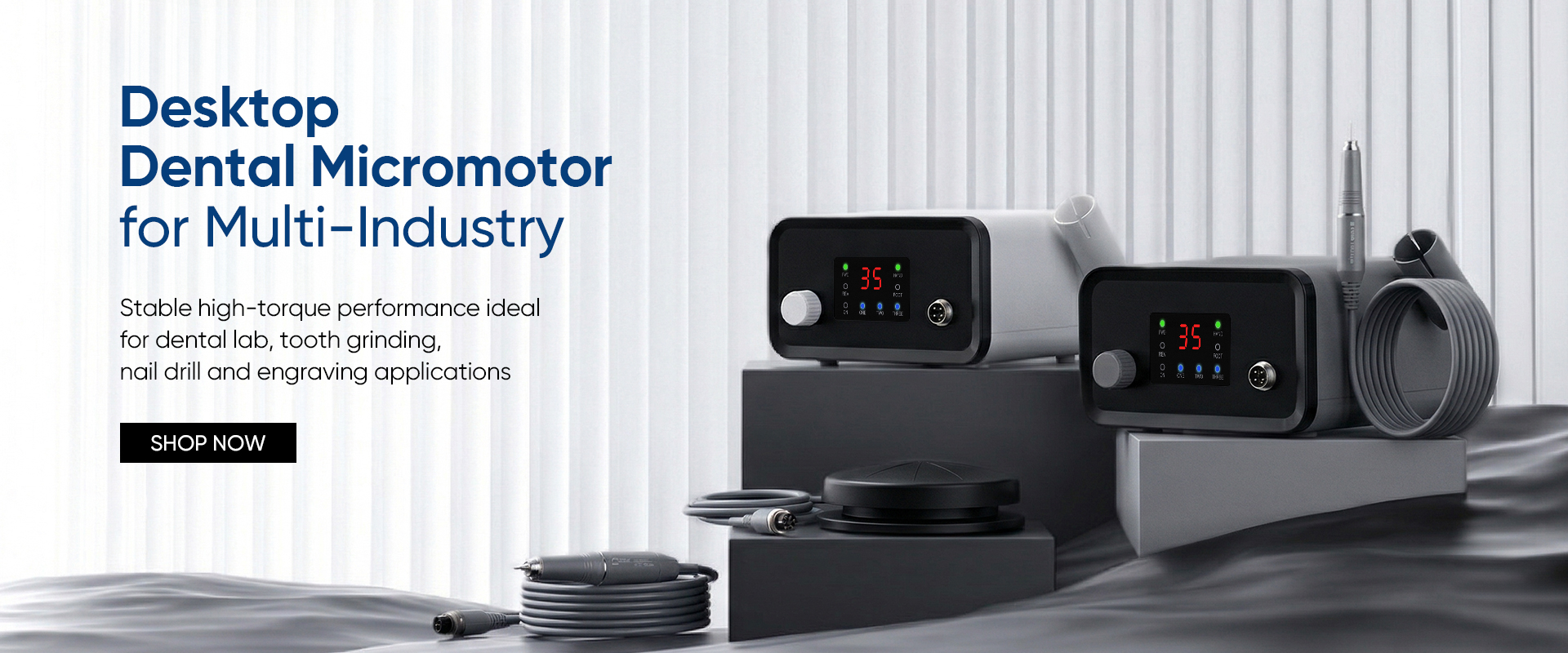
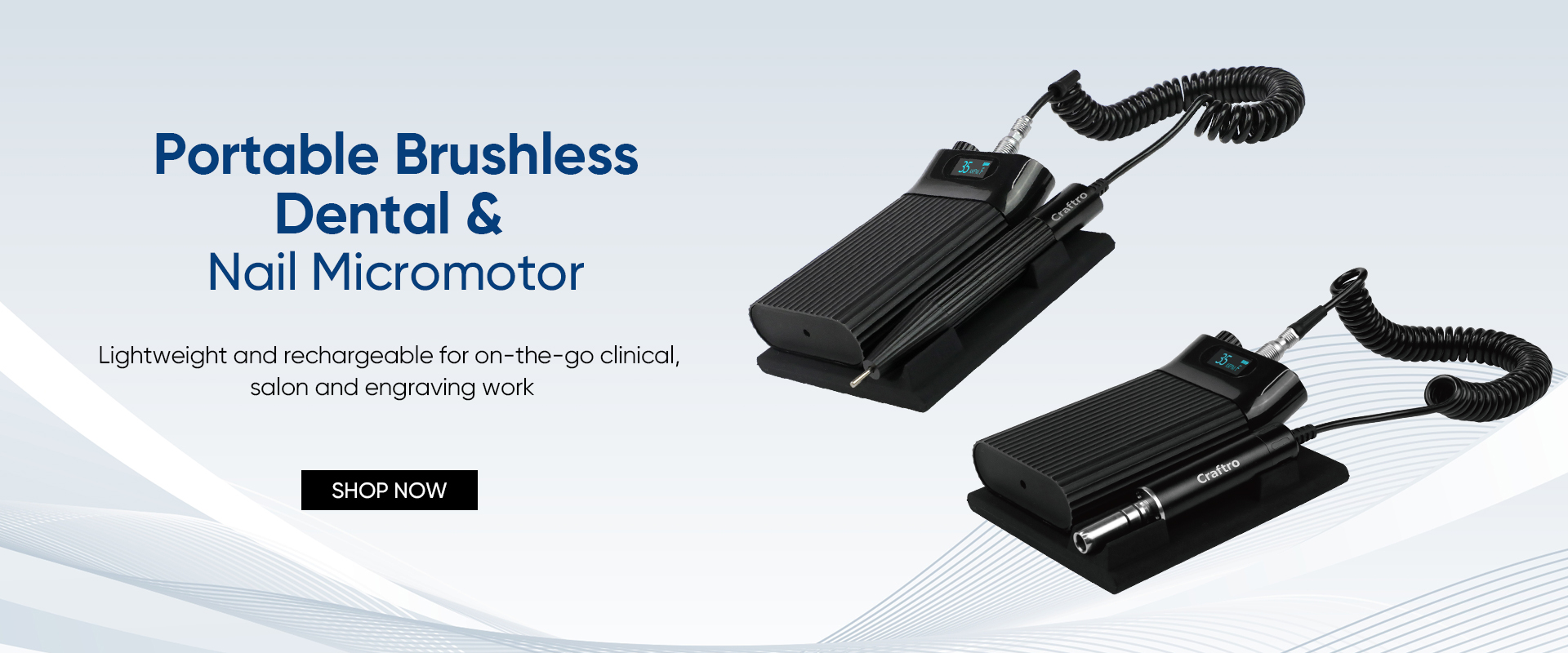
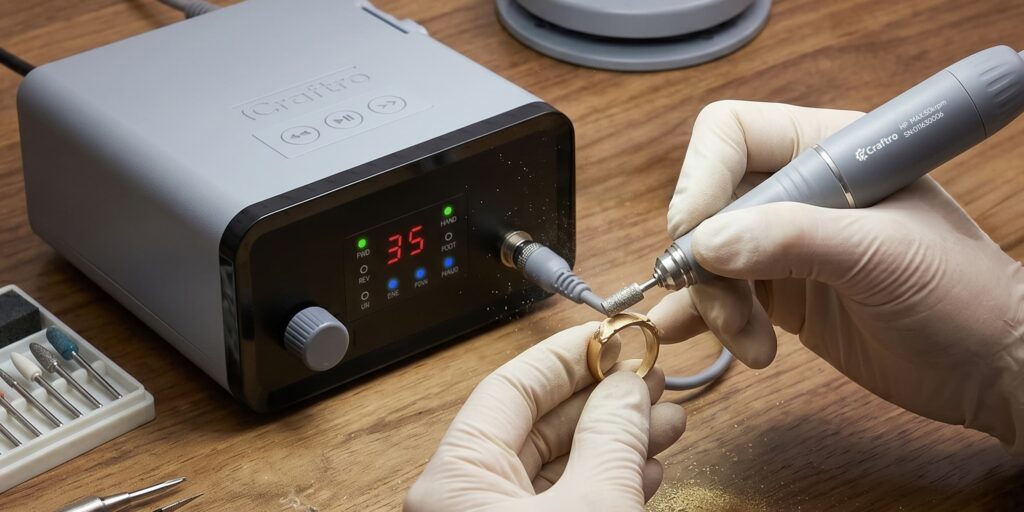
If your laboratory requires stable grinding performance for zirconia, ceramic, and implant applications, you may consider the VK-MM2 Brushless Dental Micromotor, which delivers up to 50,000 RPM and 8 N.cm torque for demanding laboratory procedures.
Applications Where Torque Matters Most
Torque becomes especially important in the following dental laboratory applications:
- Zirconia crown contouring
- Ceramic restoration finishing
- Metal framework adjustment
- Implant restoration polishing
- Denture modification
- Heavy material removal procedures
In these applications, stable torque output is often more valuable than achieving the highest RPM rating.
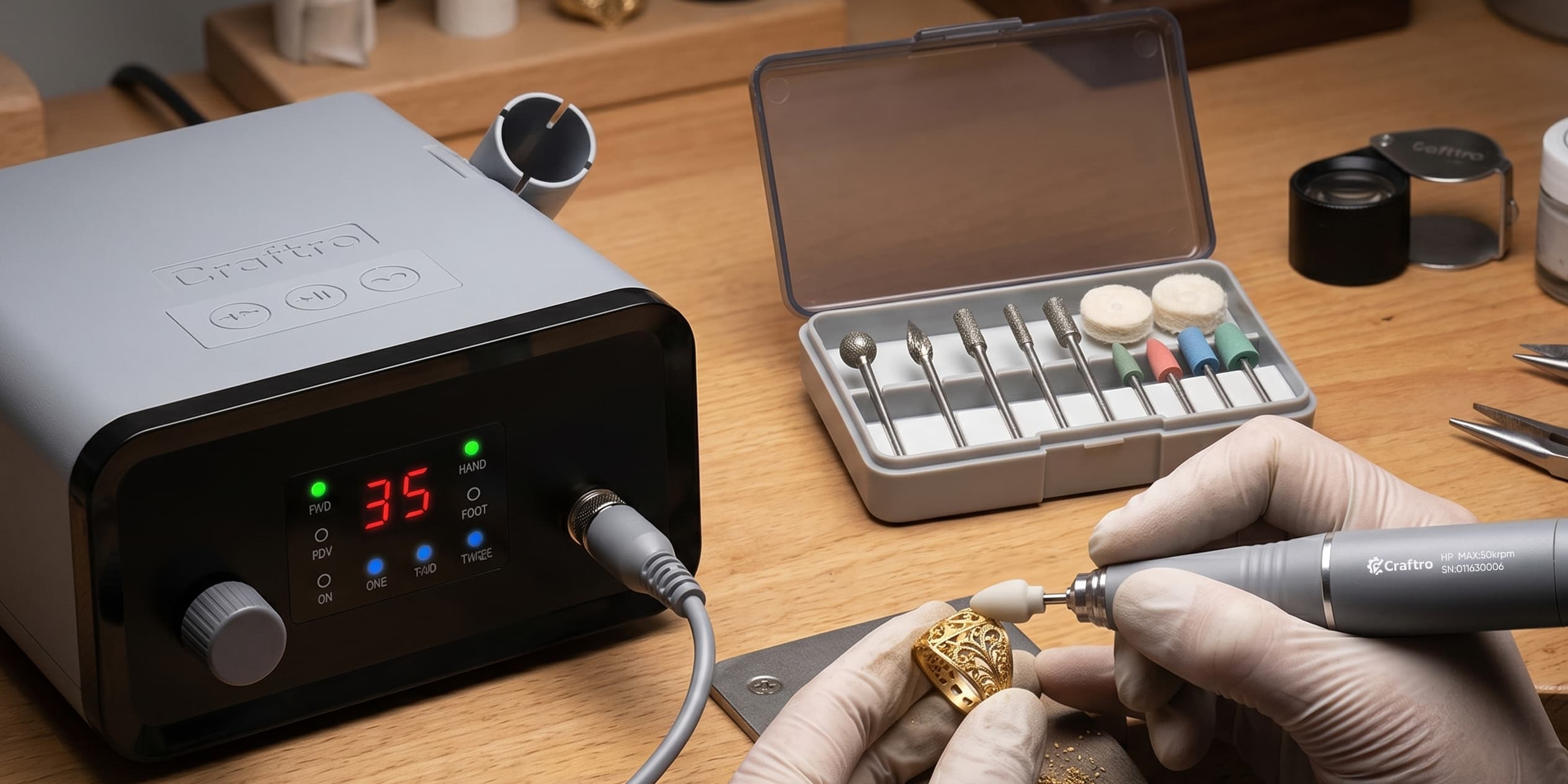
How to Evaluate Torque When Purchasing a Dental Micromotor
When comparing dental laboratory grinding equipment, buyers should evaluate more than just maximum speed specifications.
Key factors include:
- Maximum torque output
- Torque stability under load
- Brushless motor technology
- Vibration performance
- Continuous operation capability
- Heat management efficiency
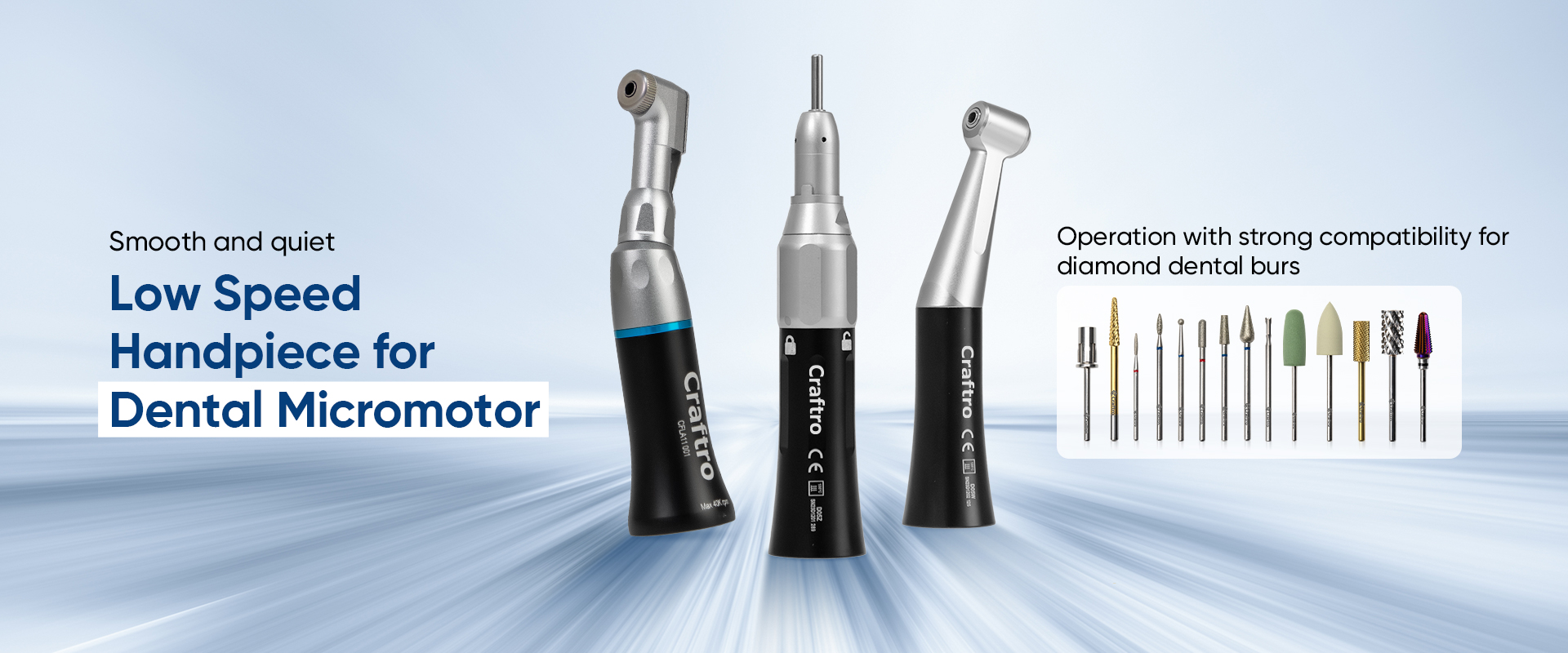
- Handpiece compatibility
A well-designed brushless micromotor with stable torque performance often delivers better real-world results than a high-speed unit with insufficient power reserve.
Choosing the Right Dental Micromotor for Professional Grinding
As modern dental laboratories continue to process harder restorative materials and pursue higher precision standards, torque has become one of the most important performance indicators when selecting a dental micromotor.
While speed remains an important specification, torque determines whether the motor can maintain consistent cutting power during demanding grinding procedures.
High torque contributes to better grinding efficiency, improved precision, reduced vibration, and greater long-term reliability. For laboratories seeking consistent performance across zirconia, ceramic, metal, and implant applications, investing in a high-torque brushless dental micromotor can significantly improve workflow productivity and finishing quality.
FAQ
Is higher RPM always better for dental grinding?
No. Higher RPM can improve material removal speed, but torque determines whether the motor can maintain performance under load. A balanced combination of speed and torque delivers the best grinding results.
Why is torque important for zirconia grinding?
Zirconia is a hard material that creates significant resistance during grinding. High torque allows the micromotor to maintain stable cutting performance and improve finishing quality.
Are brushless dental micromotors better than brushed models?
In most professional dental laboratory environments, brushless micromotors provide more stable torque output, lower maintenance requirements, longer service life, and smoother operation.
What should I prioritize when choosing a dental laboratory micromotor?
Buyers should evaluate torque performance, brushless motor technology, vibration levels, continuous operation capability, and handpiece compatibility rather than focusing solely on maximum RPM.
Recommended Brushless Dental Micromotor for Dental Laboratories
For dental laboratories processing zirconia restorations, ceramic crowns, implant components, and metal frameworks, a high-torque brushless micromotor can significantly improve grinding efficiency and precision.
VK-MM2 Brushless Dental Micromotor
- Maximum Speed: 50,000 RPM
- Maximum Torque: 8 N.cm
- Brushless Motor Technology
- Low Vibration Operation
- Continuous Laboratory Use
- Manual and Foot Pedal Control
- Compatible with Standard E-Type Handpieces
- Suitable for Zirconia, Ceramic, Metal and Implant Applications
The VK-MM2 is designed for professional dental laboratories that require stable torque output, precise control, and long-term reliability for daily grinding and polishing procedures.