
As dental laboratories continue to adopt digital workflows and advanced restorative materials, the demand for precision grinding and polishing equipment has grown significantly. One of the most important tools used in modern dental laboratories is the dental micromotor.
Whether adjusting zirconia crowns, finishing implant restorations, polishing ceramics, or modifying removable prosthetics, dental technicians rely on micromotors to achieve consistent and precise results.
For laboratory owners, distributors, and purchasing managers, understanding how a dental micromotor works and which features matter most can help improve productivity and ensure long-term equipment reliability.
In this guide, we explain what a dental micromotor is, how it works, the different types available, and how to choose the right solution for your laboratory.
What Is a Dental Micromotor?
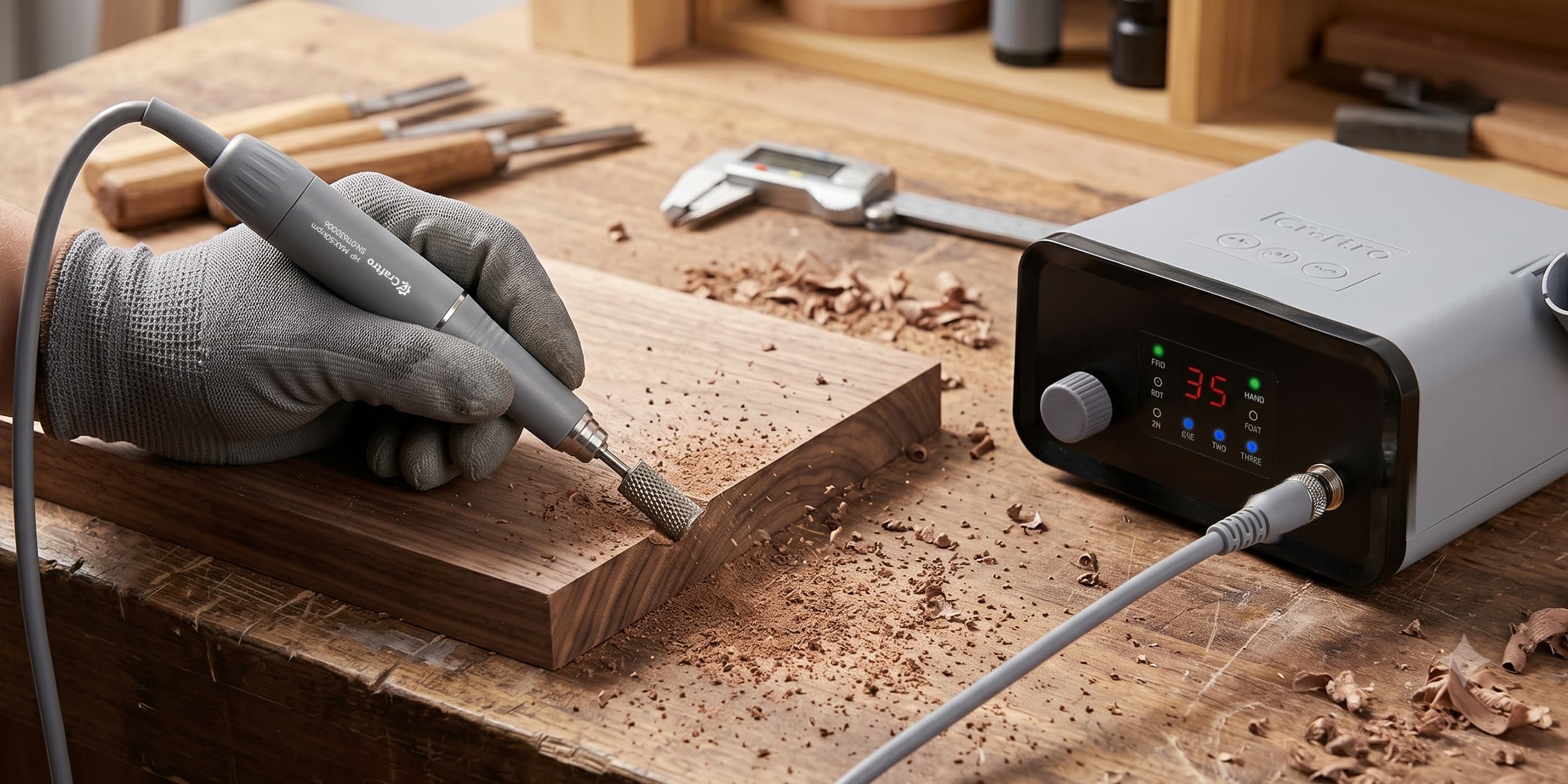
A dental micromotor is a precision rotary drive system used for grinding, polishing, trimming, and finishing dental restorations and laboratory materials.
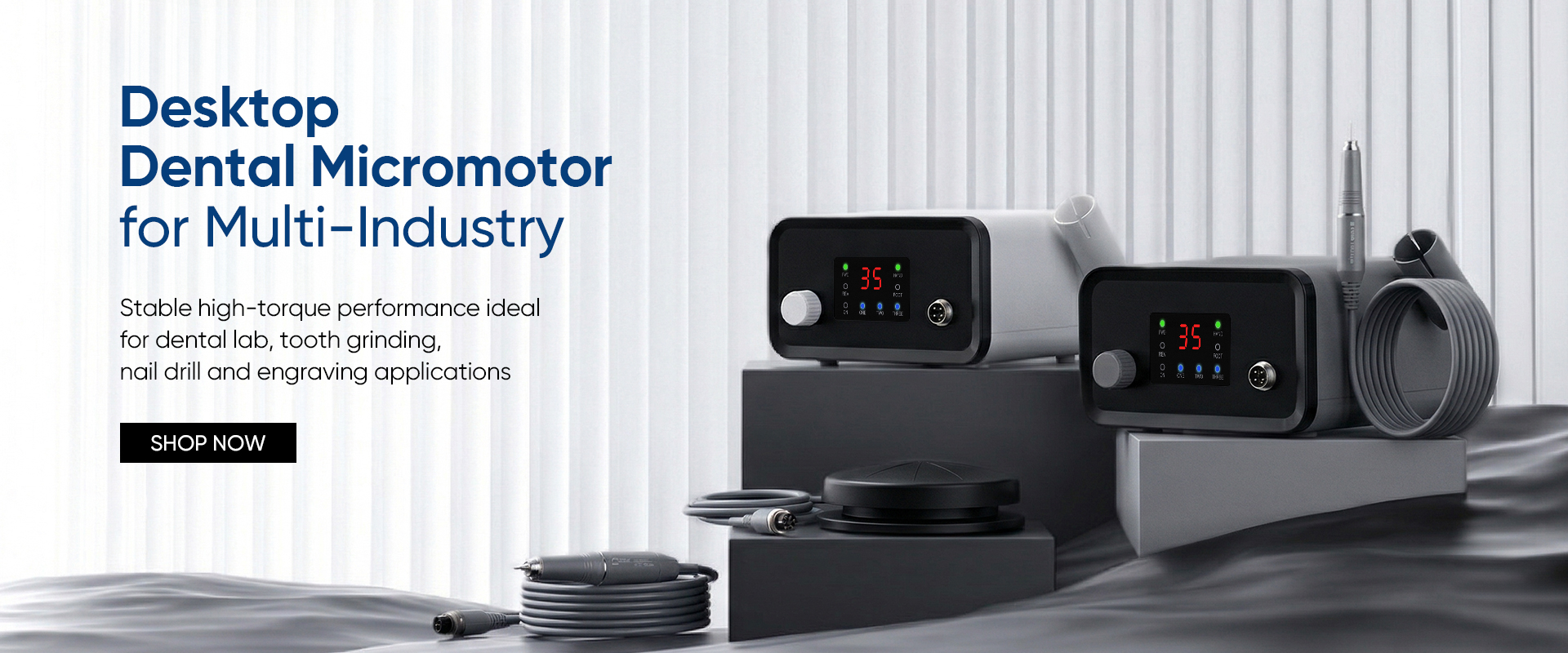
The system typically consists of a control unit, motor, handpiece, and rotary bur. Together, these components provide controlled rotational power that allows dental technicians to perform highly detailed laboratory procedures.
Compared with traditional rotary tools, dental micromotors offer greater precision, smoother operation, and improved control, making them an essential piece of equipment in modern dental laboratories.
How Does a Dental Micromotor Work?
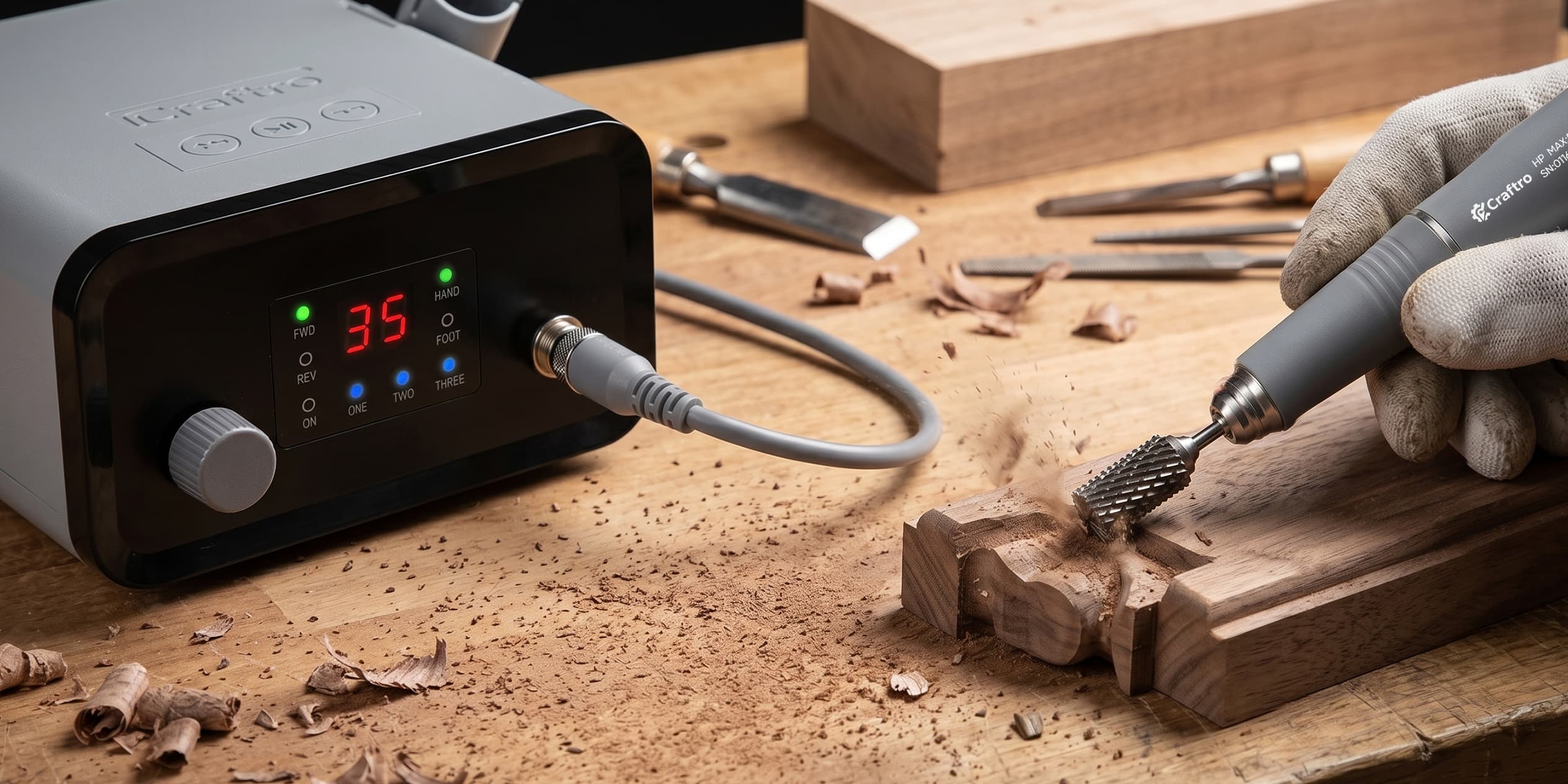
A dental micromotor converts electrical energy into rotational movement that drives a handpiece and attached bur.
The system generally includes the following components:
Control Unit
The control unit regulates speed, power output, and operational settings. Many modern systems support both manual and foot pedal control.
Motor System
The motor generates rotational force and determines both speed and torque performance.
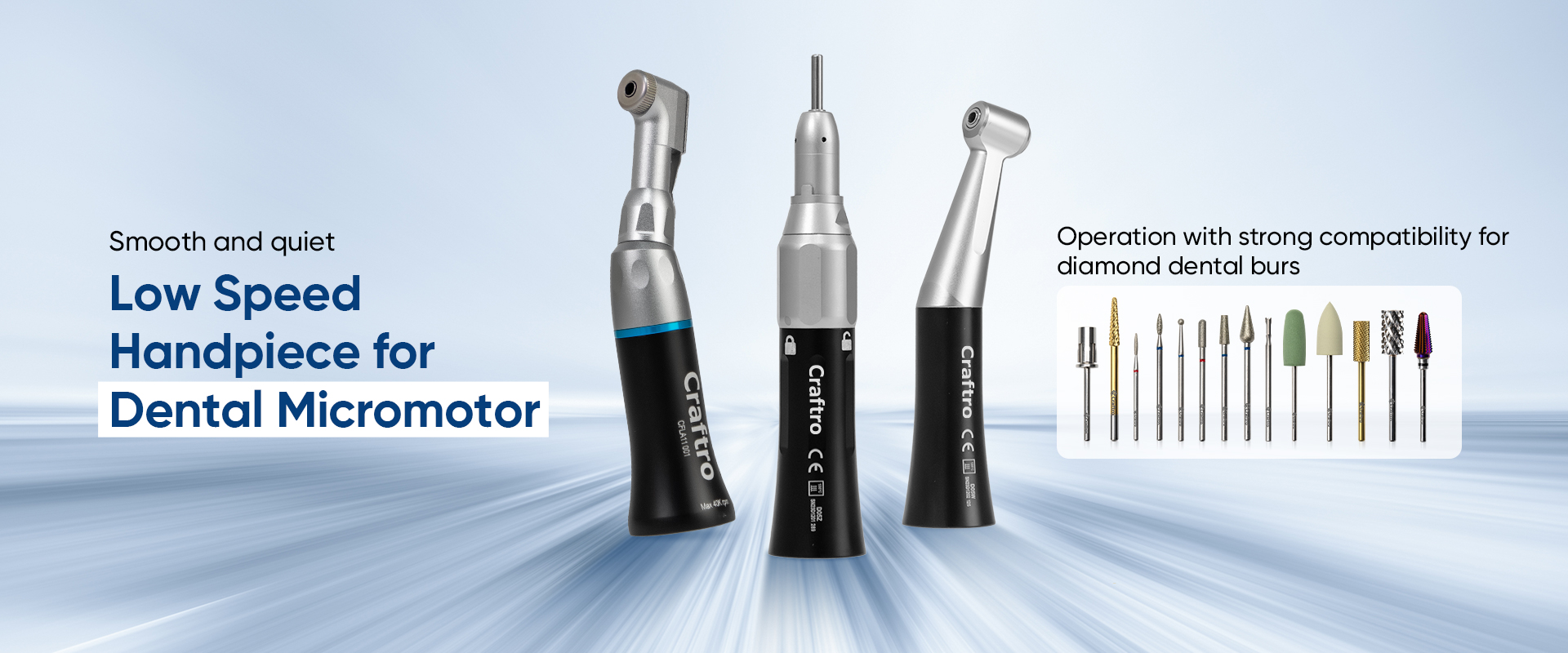
Handpiece
The handpiece transfers rotational power to the grinding bur while providing precise handling and control.
Rotary Bur
Different burs are used for contouring, trimming, polishing, engraving, and finishing various restorative materials.
Together, these components enable technicians to perform accurate material removal while maintaining excellent surface quality.
Types of Dental Micromotors
Dental micromotors are generally divided into two main categories.
Brushed Dental Micromotors
Traditional brushed motors use carbon brushes to transfer electrical current.
Advantages include:
- Lower initial cost
- Simple construction
- Widely available
However, brushed motors experience wear over time and often require more maintenance.
Common limitations include:
- Brush replacement requirements
- Higher operating temperatures
- Reduced efficiency
- Less stable performance under load
Brushless Dental Micromotors
Brushless micromotors have become increasingly popular in modern dental laboratories due to their superior performance and durability.
Advantages include:
- Higher efficiency
- Longer service life
- Lower maintenance requirements
- Reduced vibration
- More stable torque output
- Improved speed control
For laboratories that operate continuously throughout the day, brushless technology often delivers greater long-term value.
Products such as the VK-MM2 Brushless Dental Micromotor and VK-MM5 Portable Dental Micromotor are designed to provide stable performance for demanding laboratory applications.
Common Applications of Dental Micromotors
Dental micromotors are widely used throughout the dental laboratory production process.
Zirconia Contouring
Zirconia restorations require precise adjustment after milling. A high-performance micromotor helps technicians contour restorations accurately while maintaining surface integrity.
Ceramic Polishing
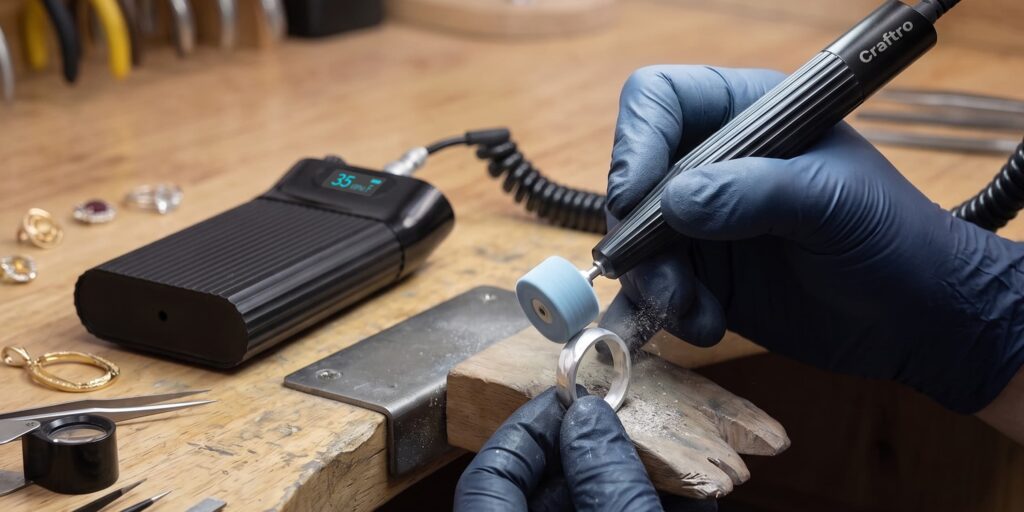
Micromotors are commonly used for polishing ceramic crowns and veneers to achieve smooth surfaces and natural aesthetics.
Implant Restoration Finishing
Implant-supported restorations often require detailed adjustment and polishing to ensure proper fit and function.
Metal Framework Adjustment
Metal restorations and frameworks frequently require trimming and finishing procedures that demand stable power output.
Denture Modification
Removable prosthetics can be adjusted quickly and accurately using a precision dental micromotor system.
Why Brushless Dental Micromotors Are Becoming the Industry Standard?
As restorative materials become harder and laboratory workloads increase, more dental laboratories are transitioning from brushed motors to brushless systems.
Modern brushless dental micromotors provide:
- Higher reliability
- Consistent performance during continuous operation
- Lower maintenance costs
- Improved grinding precision
- Better energy efficiency
One important factor behind this transition is torque stability. Unlike many traditional systems, brushless motors maintain performance more effectively when processing dense materials such as zirconia and titanium.
To learn more about this topic, read our guide: Why Torque Matters More Than Speed in Dental Grinding.
How to Choose the Right Dental Micromotor?
Selecting the right dental micromotor depends on your laboratory’s workload, materials, and production requirements.
Important factors to consider include:
Speed Range
Higher RPM can improve productivity during polishing and finishing procedures.
Torque Output
Torque determines how effectively the motor performs under load and is especially important for zirconia and metal processing.
Motor Technology
Brushless systems generally provide better long-term performance and lower maintenance requirements.
Handpiece Compatibility
Choosing a system compatible with standard E-Type handpieces provides greater flexibility for laboratory applications.
Continuous Operation Capability
Laboratories processing large daily workloads should prioritize systems designed for extended operation.
Portable vs Desktop Dental Micromotors
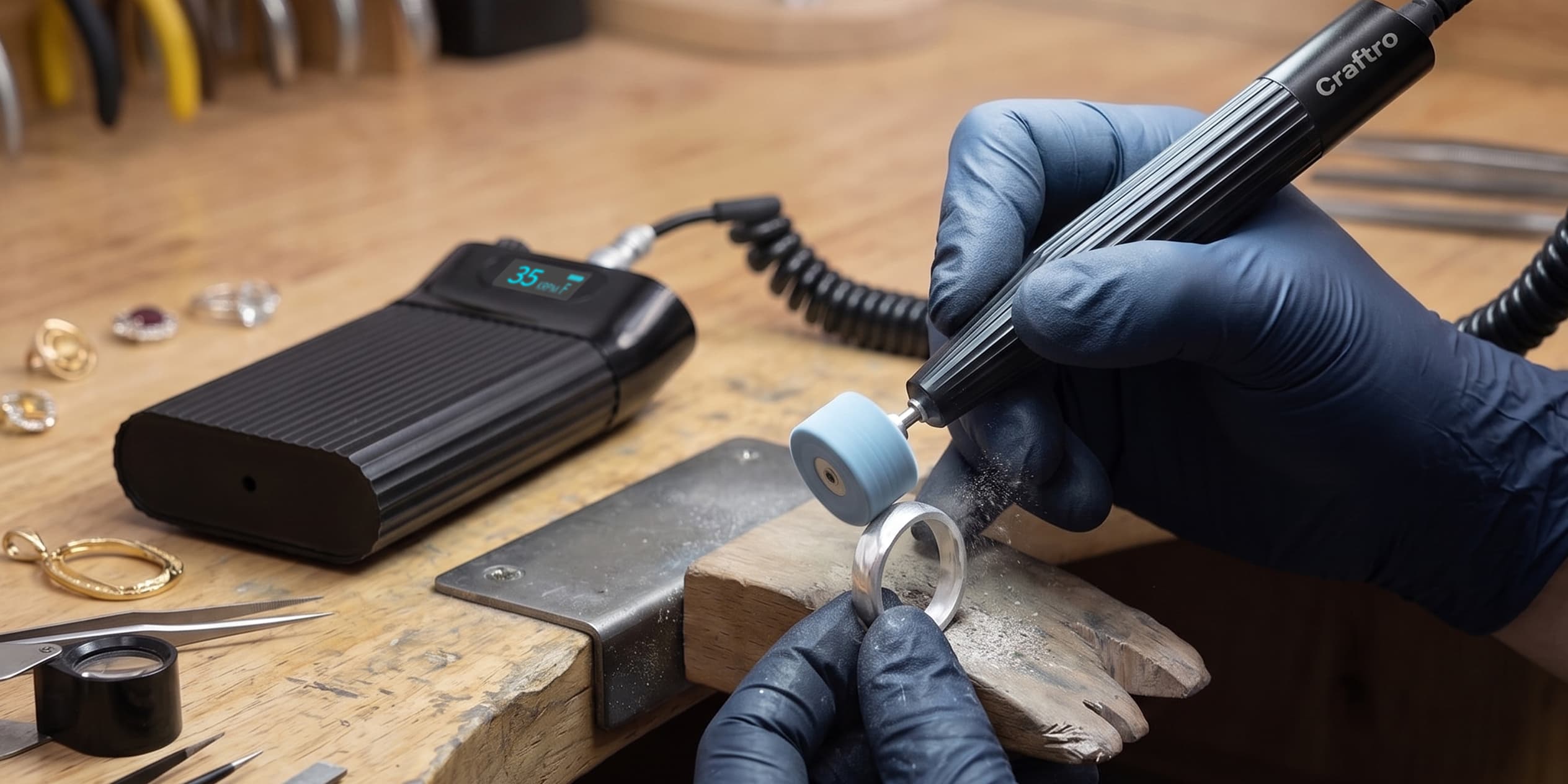
Modern laboratories can choose between portable and desktop micromotor systems.
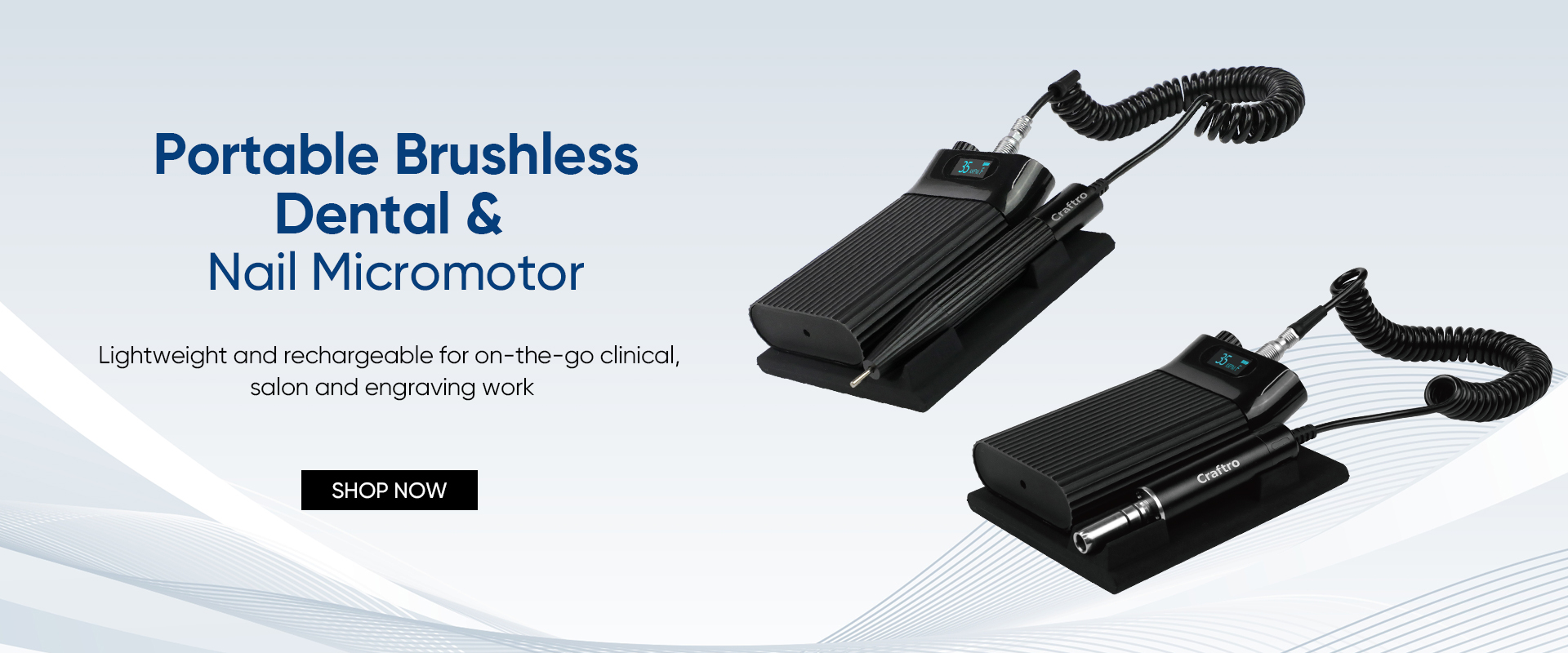
Portable Dental Micromotors
- Compact design
- Easy mobility
- Space-saving solution
- Ideal for flexible workstations
The VK-MM5 Portable Dental Micromotor offers portability while maintaining professional grinding performance.
Desktop Dental Micromotors
- Higher power output
- Enhanced stability
- Designed for continuous operation
- Suitable for demanding laboratory workloads
The VK-MM2 Desktop Brushless Dental Micromotor is designed for laboratories that require stable torque and long operating hours.
The Future of Dental Laboratory Micromotors
The future of dental laboratory equipment is increasingly focused on precision, efficiency, and reliability.
As digital dentistry continues to evolve, dental laboratories are processing more zirconia, implant restorations, and high-strength materials than ever before. This trend is driving demand for brushless micromotor systems that offer greater torque stability, reduced vibration, and longer service life.
Manufacturers are also investing in smarter control systems, improved ergonomics, and enhanced motor efficiency to support modern laboratory workflows.
FAQ
What is the purpose of a dental micromotor?
A dental micromotor is used for grinding, polishing, contouring, trimming, and finishing dental restorations and laboratory materials.
What is the difference between a dental micromotor and a handpiece?
The micromotor generates rotational power, while the handpiece transfers that power to the bur used during grinding and polishing procedures.
Are brushless dental micromotors better?
Brushless systems generally provide longer service life, lower maintenance requirements, reduced vibration, and more stable torque output.
Can dental micromotors be used for zirconia grinding?
Yes. High-quality brushless dental micromotors are widely used for zirconia contouring, polishing, and finishing applications.
What RPM is suitable for dental laboratory work?
The ideal RPM depends on the application, but professional laboratory systems commonly offer speeds up to 35,000 RPM or 50,000 RPM for greater flexibility.
Recommended Dental Micromotor Solutions
For laboratories seeking reliable grinding performance and long-term durability, brushless dental micromotors provide an ideal solution.
VK-MM2 Brushless Dental Micromotor
- Maximum Speed: 50,000 RPM
- Maximum Torque: 8 N.cm
- Brushless Motor Technology
- Continuous Laboratory Operation
- Compatible with E-Type Handpieces
VK-MM5 Portable Dental Micromotor
- Portable Integrated Design
- Brushless Motor System
- Flexible Mobility
- Suitable for Laboratory and Mobile Applications