
Choosing the right dental micromotor is one of the most important decisions for any dental laboratory. Whether processing zirconia restorations, implant components, ceramic crowns, or metal frameworks, the performance of the micromotor directly affects efficiency, precision, and overall productivity.
One of the most common questions laboratory owners and distributors ask is whether a brushless dental micromotor is worth the additional investment compared to a traditional brushed system.
While both technologies are widely used in dental grinding and polishing applications, they differ significantly in terms of maintenance requirements, torque stability, operating lifespan, and long-term reliability.
In this guide, we compare brushless and brushed dental micromotors to help dental laboratories make an informed purchasing decision.
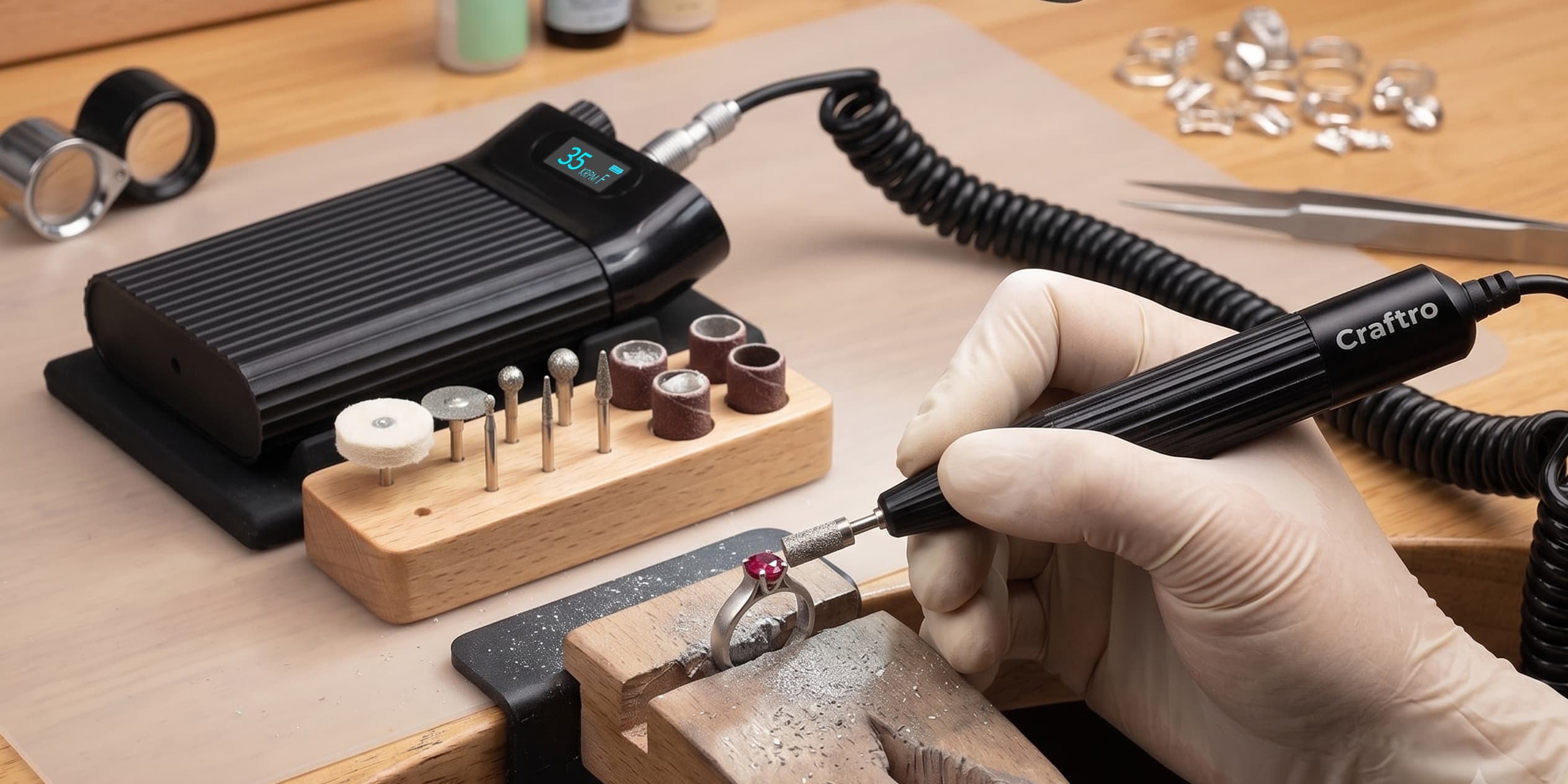
What Is a Brushed Dental Micromotor?
A brushed dental micromotor uses carbon brushes to transfer electrical current to the motor’s rotating components. This technology has been used for decades and remains common in entry-level grinding equipment.
Because the brushes are constantly in contact with the rotating commutator, friction is created during operation.
Advantages of brushed dental micromotors include:
- Lower initial purchase cost
- Simple construction
- Widely available replacement parts
However, the brush contact also creates wear over time, which can affect performance and increase maintenance requirements.
What Is a Brushless Dental Micromotor?
A brushless dental micromotor eliminates physical brushes and instead uses electronic controllers to regulate motor operation.
Without mechanical brush contact, the motor experiences less friction, lower heat generation, and more stable performance.
Modern dental laboratories increasingly prefer brushless technology because it offers improved efficiency and greater reliability for demanding grinding applications.
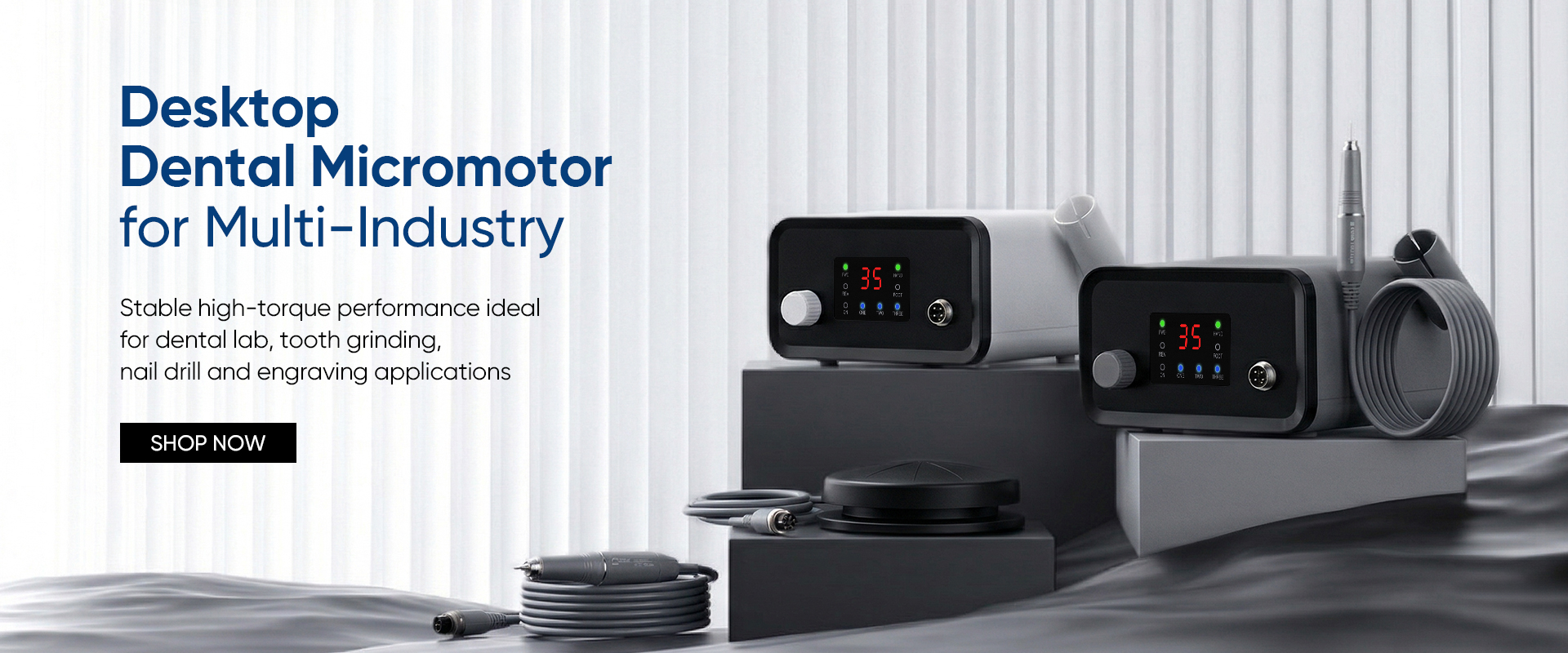
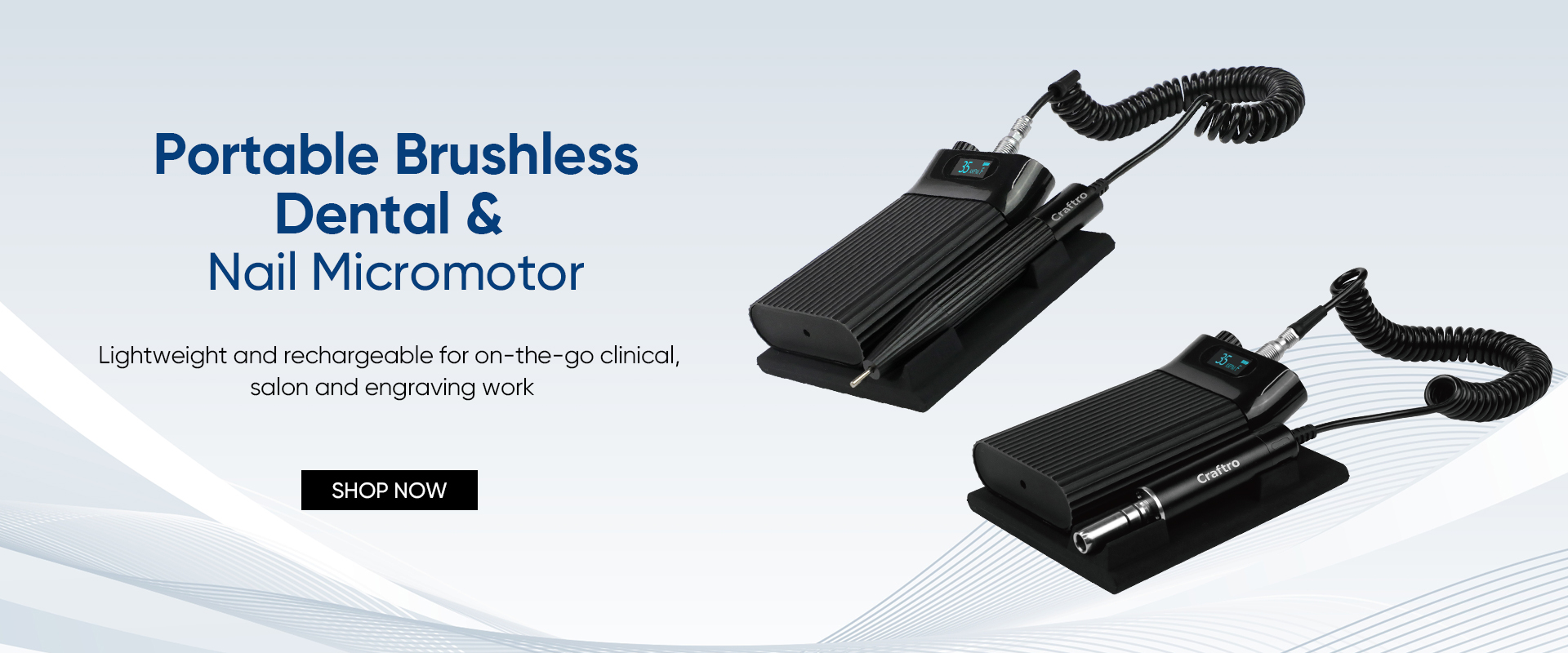
Popular brushless systems such as the VK-MM2 Brushless Dental Micromotor and VK-MM5 Portable Dental Micromotor are designed specifically for professional laboratory use.
Brushless vs Brushed Dental Micromotor: Key Differences
Torque Stability
Torque plays a critical role in dental grinding performance, especially when processing zirconia, titanium, and other dense restorative materials.
Brushless motors generally provide more stable torque output under load, allowing technicians to maintain consistent grinding performance throughout the procedure.
Brushed motors may experience greater speed fluctuations when resistance increases.
For a detailed explanation of torque performance, read our guide: Why Torque Matters More Than Speed in Dental Grinding.
Maintenance Requirements
Brushed motors require periodic brush replacement because the brushes naturally wear during operation.
Brushless motors eliminate this maintenance task entirely.
For busy dental laboratories, reduced maintenance means less downtime and lower operating costs.
Service Life
Because brushless systems have fewer wear components, they typically offer a longer operating lifespan.
This makes brushless dental micromotors particularly attractive for laboratories operating continuously throughout the day.
Heat Generation
Mechanical friction between brushes and the commutator creates heat during operation.
Brushless motors generate less internal friction and therefore operate more efficiently with lower heat output.
Vibration and Noise
Smooth operation is essential for precision dental work.
Brushless motors generally produce lower vibration and noise levels, helping technicians maintain greater control during detailed adjustments and polishing procedures.
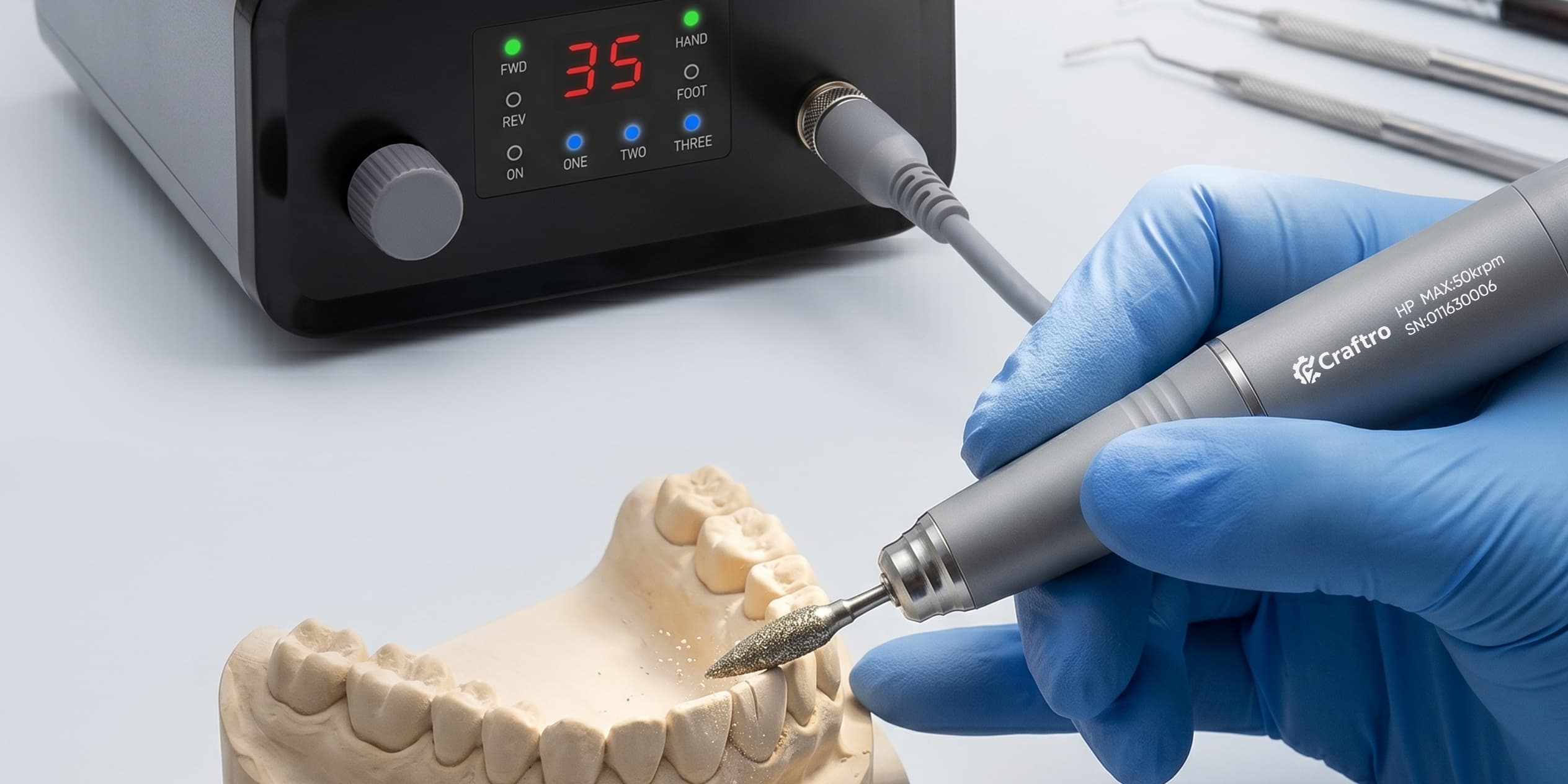
Performance Comparison for Dental Laboratory Applications
| Feature | Brushed Micromotor | Brushless Micromotor |
|---|---|---|
| Maintenance | Regular Brush Replacement | Minimal Maintenance |
| Torque Stability | Moderate | Excellent |
| Operating Life | Shorter | Longer |
| Heat Generation | Higher | Lower |
| Vibration | Higher | Lower |
| Continuous Operation | Limited | Excellent |
| Initial Cost | Lower | Higher |
Why More Dental Laboratories Are Switching to Brushless Technology
As digital dentistry continues to evolve, laboratories are processing more zirconia restorations, implant-supported prosthetics, and high-strength materials than ever before.
These applications place greater demands on grinding equipment.
As a result, many laboratories are replacing older brushed systems with brushless micromotors that offer:
- Stable torque output
- Lower maintenance costs
- Longer equipment lifespan
- Reduced vibration
- Higher reliability
For laboratories focused on productivity and precision, brushless technology often provides better long-term value despite a higher initial investment.
When Should You Choose a Brushed Dental Micromotor?
A brushed dental micromotor may still be suitable for:
- Small laboratories with limited workloads
- Budget-conscious buyers
- Occasional polishing applications
- Training and educational environments
For light-duty use, a brushed system can still provide satisfactory performance.
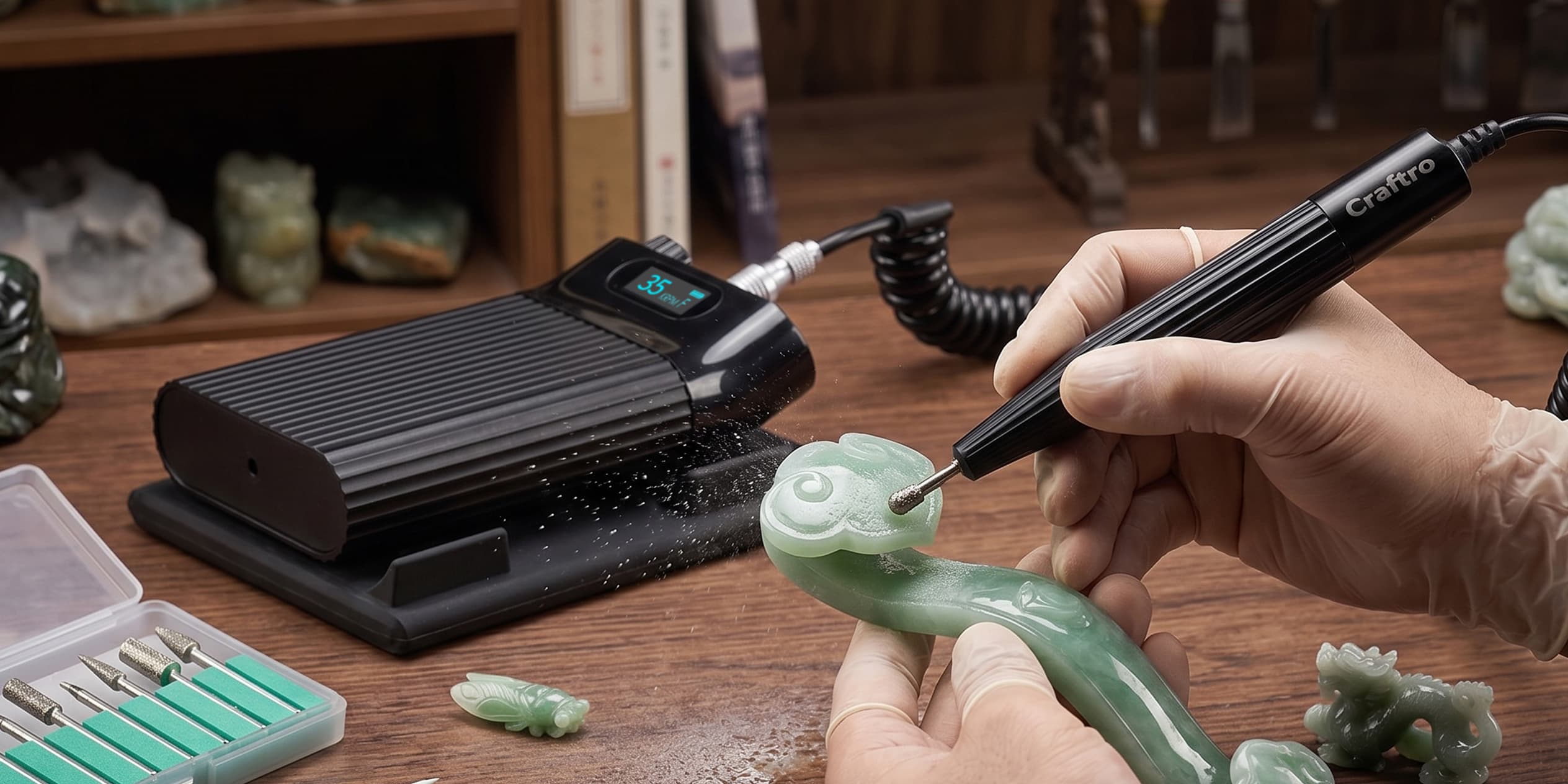
When Should You Choose a Brushless Dental Micromotor?
A brushless dental micromotor is generally the better choice for:
- Professional dental laboratories
- High-volume production environments
- Zirconia processing
- Implant restoration finishing
- Continuous daily operation
- Precision grinding applications
The improved reliability and lower maintenance requirements often result in lower total ownership costs over the life of the equipment.
Recommended Brushless Dental Micromotor Solutions
If your laboratory is considering upgrading to brushless technology, the following solutions are designed for professional grinding and polishing applications.
VK-MM2 Brushless Dental Micromotor
- Maximum Speed: 50,000 RPM
- Maximum Torque: 8 N.cm
- Brushless Motor Technology
- Continuous Laboratory Operation
- Compatible with E-Type Handpieces
VK-MM5 Portable Dental Micromotor
- Portable Integrated Design
- Brushless Motor System
- Compact and Lightweight
- Suitable for Flexible Workstations
FAQ
Are brushless dental micromotors better than brushed models?
For most professional dental laboratories, brushless micromotors provide better torque stability, lower maintenance requirements, longer lifespan, and improved reliability.
Why do brushless motors last longer?
Because they eliminate physical brushes, there are fewer wear components inside the motor.
Do brushless dental micromotors require maintenance?
Yes, but maintenance requirements are significantly lower because there are no brushes to replace.
Are brushless micromotors worth the investment?
For laboratories that operate daily and process zirconia or implant restorations, the improved performance and reduced maintenance costs often justify the higher initial investment.